Citrus and Herb Roasted Chicken
There is nothing quite like the aroma of a chicken roasting with orange, lemon, and fresh herbs tucked beneath the skin. This dish proves that a spectacular Sunday centerpiece does not require a heavy hand with the salt shaker. By building layers of citrus zest, aromatics, and pan drippings, we create a bird that is deeply savory and bright without relying on sodium. It is an ideal recipe for gathering the people you love around the table.
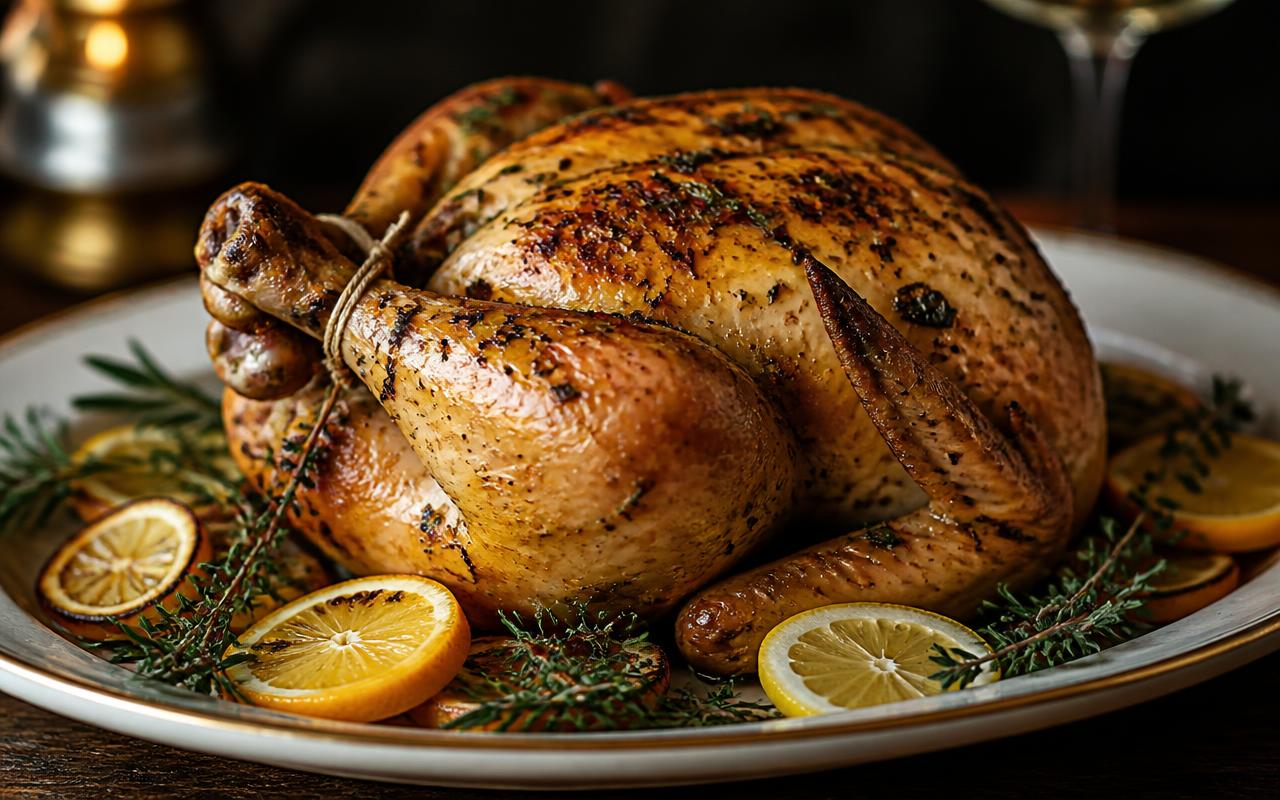
- Prep
- 20 minutes
- Cook
- 1 hour 20 minutes
- Total
- 1 hour 40 minutes
- Serves
- 6 servings
- Difficulty
- Intermediate
Estimated sodium
Approx. 105 mg per serving (estimated)
Ingredients
For the chicken
- 1 whole chicken (about 5 pounds), giblets removed
- 3 tablespoons unsalted butter, softened
- 1 orange, zested and sliced into rounds
- 1 lemon, zested and sliced into rounds
- 6 cloves garlic, smashed
- 4 sprigs fresh rosemary
- 6 sprigs fresh thyme
- 2 tablespoons extra-virgin olive oil
- 1 teaspoon freshly cracked black pepper
- 1 small yellow onion, quartered
For the pan sauce
- 1 cup no-salt-added chicken stock
- 1/4 cup dry white wine
- 1 tablespoon fresh lemon juice
- 1 tablespoon chopped fresh parsley
- Optional finishing pinch of flaky salt (a few grains per serving)
Method
- 1
Remove the chicken from the refrigerator 30 minutes before cooking so it comes closer to room temperature, which promotes even roasting.
- 2
Preheat the oven to 425°F and set a roasting rack inside a heavy pan so air can circulate beneath the bird.
- 3
Pat the chicken completely dry with paper towels; dry skin is essential for deep, salt-free browning.
- 4
In a small bowl, mash the softened butter with the orange and lemon zest, half the garlic, and half the chopped thyme leaves until well combined.
- 5
Gently loosen the skin over the breasts and thighs with your fingers, then work the citrus butter directly under the skin for maximum flavor penetration.
- 6
Stuff the cavity with the remaining garlic, citrus slices, onion quarters, rosemary, and remaining thyme sprigs.
- 7
Rub the outside of the chicken with olive oil and cracked pepper, then tie the legs together with kitchen twine for even cooking.
- 8
Roast for 20 minutes at 425°F to set the golden crust, then reduce the oven to 375°F and continue roasting for 55 to 60 minutes more, until a thermometer in the thickest part of the thigh reads 165°F.
- 9
Transfer the chicken to a cutting board, tent loosely with foil, and rest for 15 minutes so the juices redistribute.
- 10
While resting, place the roasting pan over medium heat, pour in the white wine to deglaze, and scrape up the flavorful browned bits.
- 11
Add the stock and lemon juice, simmer for 5 to 7 minutes until slightly reduced, then whisk in a small pat of butter and the parsley for a glossy finishing sauce.
- 12
Carve the chicken and serve with the warm pan sauce spooned over the top.
Chef's Technique
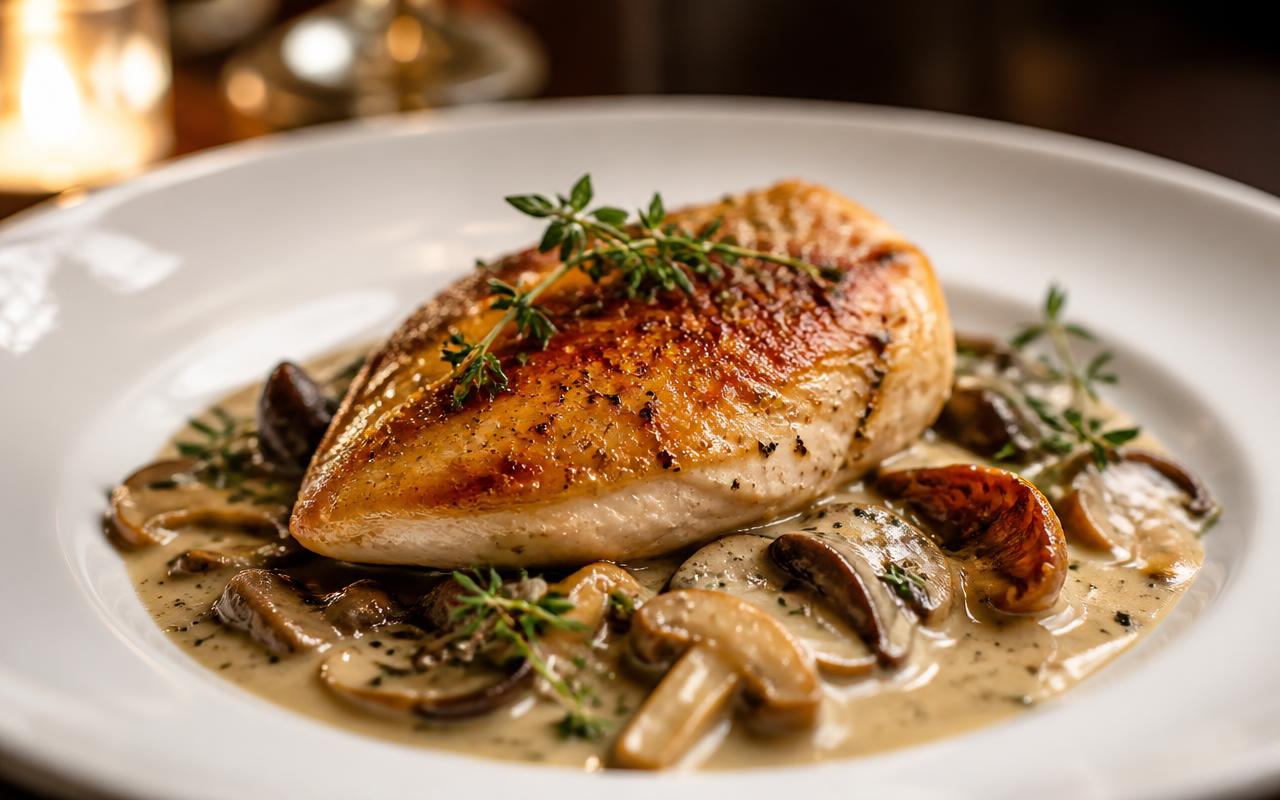
This recipe relies on the classic technique of compound butter applied beneath the skin, which bastes the meat from the inside as it roasts. Combined with a two-stage oven temperature that first blasts high heat for color and then finishes low and slow, the chicken develops a shatteringly crisp, mahogany skin while staying juicy within. The aromatics packed into the cavity gently steam the interior with fragrant citrus and herb essence throughout the cook.
Flavor Without Salt
Citrus zest is one of the most powerful salt-free flavor boosters in a cook's arsenal, delivering bright aromatic oils that wake up the palate instantly. Fresh rosemary and thyme contribute resinous, savory depth that mimics the satisfaction typically associated with salt. The deglazed pan sauce concentrates natural chicken drippings and wine into a savory reduction, proving that umami and acidity can carry a dish just as effectively as sodium.
Restaurant-Worthy Plating
Carve the chicken into breasts, thighs, wings, and drumsticks, arranging the pieces on a large warmed platter for a dramatic family-style presentation. Nestle the roasted citrus slices and garlic cloves from the cavity among the pieces for visual contrast and extra bites of caramelized flavor. Spoon the glossy pan sauce generously over the top just before serving so it pools attractively around the meat. Finish with a scattering of fresh parsley and a few curls of orange zest for color and aroma.
Nutrition (estimated, per serving)
- Calories
- Approx. 410 kcal
- Protein
- Approx. 38 g
- Carbs
- Approx. 6 g
- Fat
- Approx. 25 g
- Sodium
- 105 mg per serving
Nutrition and sodium information is an estimate only and will vary based on ingredients, brands, serving sizes and preparation methods. Always check the labels on the products you buy.
Substitutions
- Swap the orange for blood orange or tangerine for a slightly sweeter, more floral citrus note.
- Use fresh sage or marjoram in place of rosemary if you prefer a softer herbal profile.
- A dry vermouth can replace the white wine in the pan sauce with excellent results.
- For a smaller gathering, use a spatchcocked chicken and reduce the roasting time by about 20 minutes.
- Ghee can substitute for butter for a slightly nuttier compound butter mixture.
Suggested side
Serve alongside garlic herb roasted vegetables or a simple herb rice pilaf to soak up the pan sauce.
Pairing
Pair with a crisp, unoaked Chardonnay or Sauvignon Blanc; for a non-alcoholic option, try sparkling water with a splash of orange juice and fresh mint.
Storage and reheating
Store leftover chicken and sauce separately in airtight containers in the refrigerator for up to 4 days, or freeze the meat for up to 3 months.