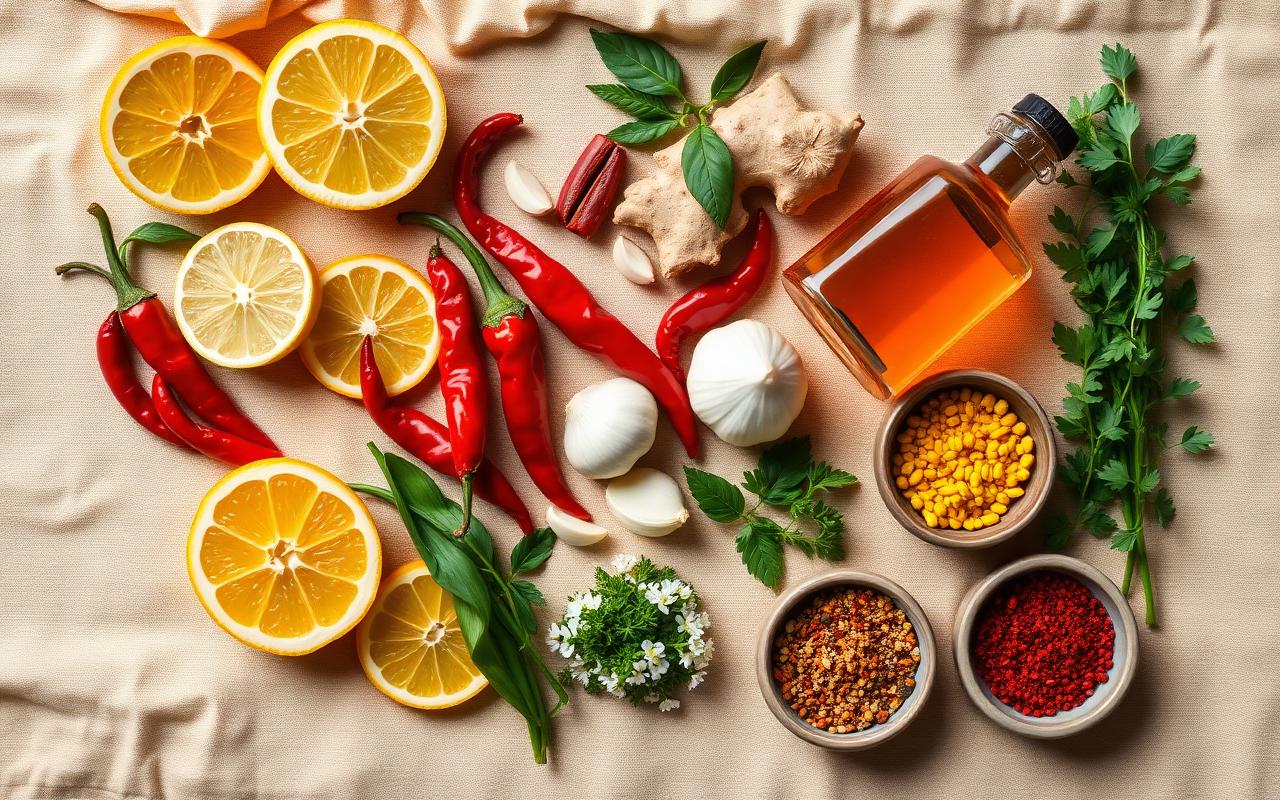
If your food tastes flat the moment you cut back on salt, the fix isn't more salt substitute — it's more technique. Salt does one job well: it amplifies flavors already in your food. But there are dozens of other tools that build flavor from scratch, add brightness, deepen savoriness, or wake up your palate so you stop missing the shaker.
This list covers 25 real, kitchen-tested ways to make low-sodium food taste like something you'd order in a restaurant. You don't need all 25 in one dish. Pick two or three per meal and layer them together — that's the real secret.
If you're just getting started, pair this list with our guide to low-sodium eating for beginners and our salt-free spice cabinet roundup so you have the right tools on hand.
The 25 techniques
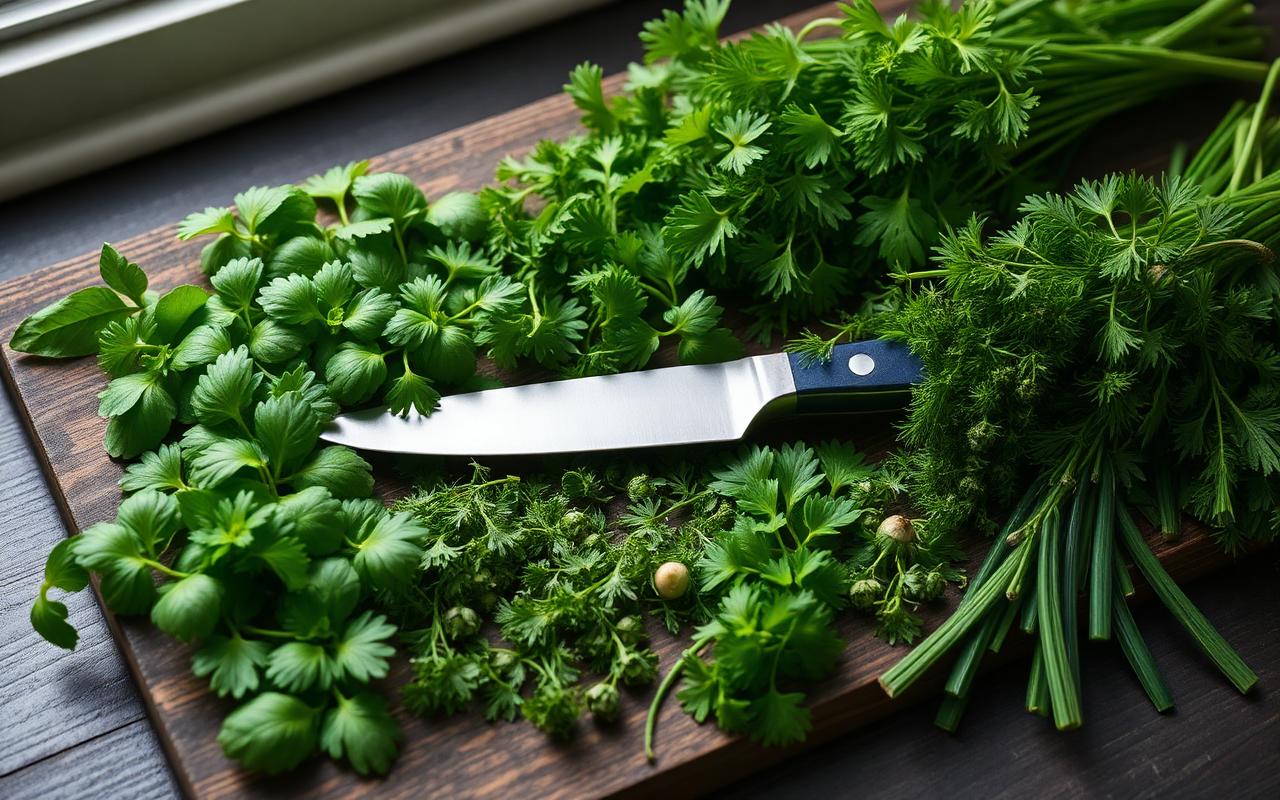
Fresh herbs, added at the end. Basil, cilantro, parsley, dill, and mint lose their punch with long cooking, so stir them in during the last minute or sprinkle on top just before serving. A handful of chopped parsley over roasted vegetables changes the whole dish. See our full guide to fresh herbs in low-sodium cooking.
Dried herbs bloomed in fat. Dried oregano, thyme, and rosemary are flavor-dense but need heat and fat to release their oils. Toss them into warm olive oil or butter for 30 seconds before adding other ingredients, rather than sprinkling them on cold food.
Citrus juice at the finish. A squeeze of lemon or lime brightens almost any savory dish the way salt does, by making individual flavors pop. Add it right before serving so the acidity stays lively instead of cooking off.
Citrus zest for aromatic lift. Zest carries the fragrant oils of the fruit without the sourness of the juice. Grate lemon or orange zest over fish, grains, or roasted vegetables for a perfumed top note.
Vinegars for tang and depth. Balsamic, sherry, apple cider, and rice vinegar each bring a different personality. A splash at the end of cooking beans, greens, or soup adds the same "wake-up" effect that salt provides.
Raw garlic for sharp bite. Grate or mince raw garlic into dressings, sauces, or salsas for a pungent kick that cooked garlic doesn't have. A little goes a long way, so start small.
Roasted garlic for sweet mellowness. Roast a whole head wrapped in foil until soft and caramel-colored, then squeeze the cloves into mashed potatoes, sauces, or spreads for deep, sweet, savory flavor with zero sharpness.
Garlic powder for even seasoning. Unlike fresh garlic, powder disperses evenly through dry rubs and spice blends, making it useful for coating meats and vegetables before roasting.
Onions and shallots as a flavor base. Sautéing diced onion or shallot in oil before adding other ingredients builds a savory foundation for soups, sauces, and grain dishes. Shallots are milder and sweeter, good for dressings.
Fresh ginger for warmth and zing. Grated or minced ginger adds heat and brightness to stir-fries, marinades, and dressings. It pairs especially well with garlic, citrus, and soy alternatives.
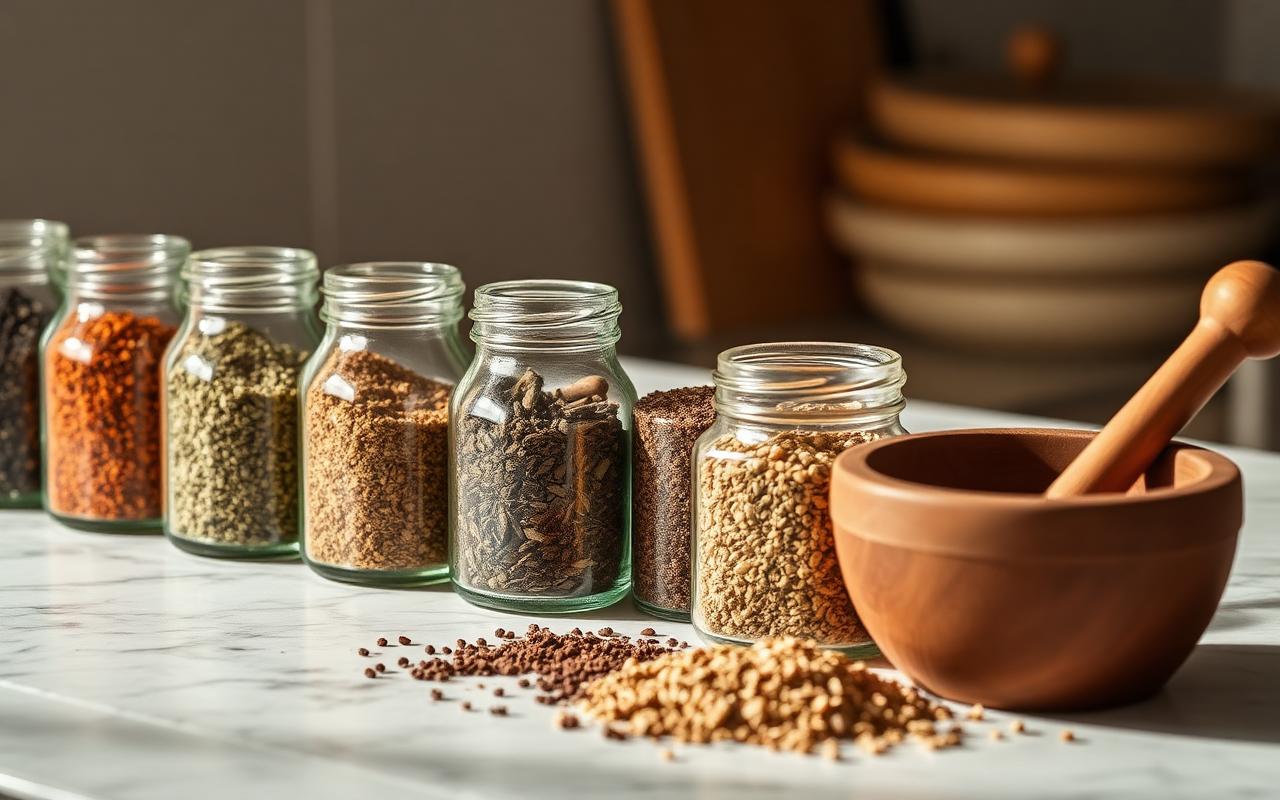
Toasting whole spices. Cumin seeds, coriander seeds, and mustard seeds toasted in a dry pan for a minute or two become noticeably more fragrant and complex than their pre-ground counterparts.
Roasting vegetables until they caramelize. High heat concentrates natural sugars and creates browned, crispy edges that taste far more intense than steamed or boiled vegetables. Try our garlic herb roasted vegetables recipe to see the effect.
Caramelizing onions low and slow. Cooking sliced onions over low heat for 30–40 minutes turns them deeply sweet and savory, adding an umami backbone to soups, sandwiches, and grain bowls.
Browning proteins properly. The Maillard reaction — the browning that happens when meat, fish, or tofu hits a hot, dry pan — creates hundreds of new flavor compounds. Pat proteins dry and don't crowd the pan so they sear instead of steam.
Chiles and heat. Fresh or dried chiles, chili powder, or a dash of hot sauce add a dimension salt can't touch. Heat tricks the brain into perceiving more overall flavor intensity.
Freshly ground black pepper. Pre-ground pepper loses its aromatic oils quickly. A few cranks of a pepper mill right before serving adds noticeably more punch than pepper that's been sitting ground in a jar.
Smoked paprika and other smoke. Smoked paprika, chipotle powder, or a few drops of liquid smoke add a savory, almost meaty depth that mimics some of what cured, salty foods provide.
Umami from mushrooms. Dried or fresh mushrooms, especially shiitake, add a deep savoriness. Rehydrate dried mushrooms and use the soaking liquid as a flavorful, salt-free stock booster.
Umami from tomato paste. A spoonful of tomato paste cooked in oil until it darkens slightly (not just stirred into liquid) develops a rich, concentrated savory-sweet flavor that anchors soups and sauces like our no-salt-added marinara.
Nutritional yeast for cheesy depth. This deactivated yeast has a naturally savory, slightly cheesy flavor and virtually no sodium. Sprinkle it over popcorn, pasta, or roasted vegetables.
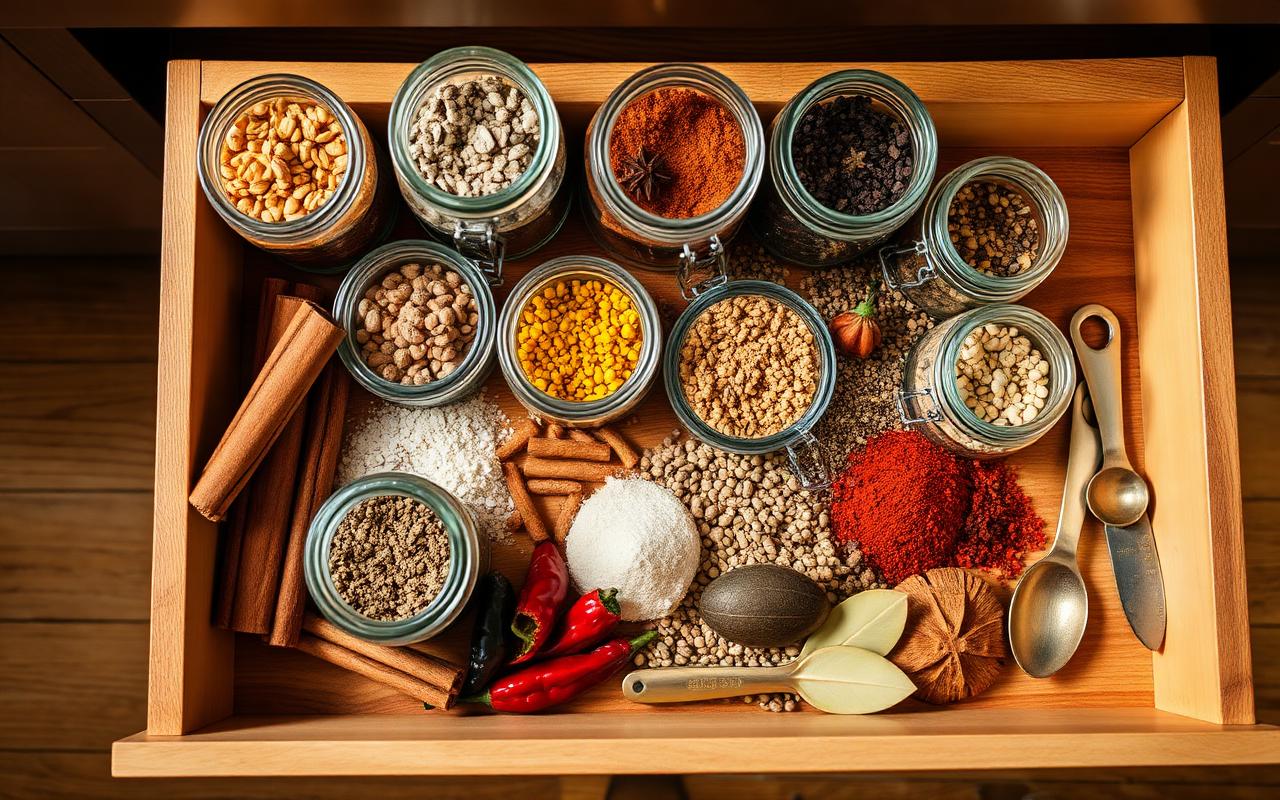
Salt-free seasoning blends. A well-built blend of dried herbs, spices, and citrus powder does a lot of the work for you. See our roundup of the best salt-free seasonings for specific combinations by dish.
Mustard for tang and complexity. Dijon or whole-grain mustard adds acidity, a little heat, and a savory backbone to dressings, marinades, and pan sauces.
Fresh chile and herb sauces. Chimichurri, salsa verde, and herby yogurt sauces — like our herby yogurt sauce — pack concentrated flavor you can spoon over simply cooked proteins and vegetables.
Homemade pickled vegetables. Quick-pickling onions, carrots, or jalapeños in vinegar, water, and a touch of sugar gives you a tangy, crunchy topping that adds brightness without added sodium.
Toasted nuts and seeds, a good finishing oil, wine for deglazing, a touch of sweetness, and layering seasoning throughout cooking. Toasted almonds or sesame seeds add crunch and nutty depth; a drizzle of good extra-virgin olive oil at the end adds richness; a splash of wine deglazes browned bits off the pan into a sauce; a pinch of sugar or honey balances acidity in tomato-based dishes; and tasting and adjusting herbs, spices, and acid at each stage of cooking — not just at the end — builds a dish with real depth.
Putting it together
Think of these as building blocks rather than a checklist. A simple roasted chicken breast might use browning, fresh thyme, lemon zest, and a pan sauce deglazed with wine. A pot of beans might use sautéed onion, toasted cumin, a bay leaf, and a finishing splash of vinegar.
Once these techniques feel automatic, cross-reference them with your grocery list using our low-sodium grocery shopping guide so you always have the right ingredients on hand. And if you're rebuilding your pantry from scratch, our guide to naturally low-sodium foods is a good place to start.
Anyone managing a medical condition or following a prescribed diet should check with their healthcare professional before making major changes to how they season or eat.
Related Reading
- Low-Sodium Eating for Beginners — the fundamentals of cutting sodium without losing flavor.
- The Best Salt-Free Seasonings for Everyday Cooking — specific blend formulas by food type.
- Fresh Herbs That Make Low-Sodium Food Taste Amazing — a deep dive into cooking with herbs.
- Hidden Sources of Sodium — find out where unexpected sodium is hiding in your diet.