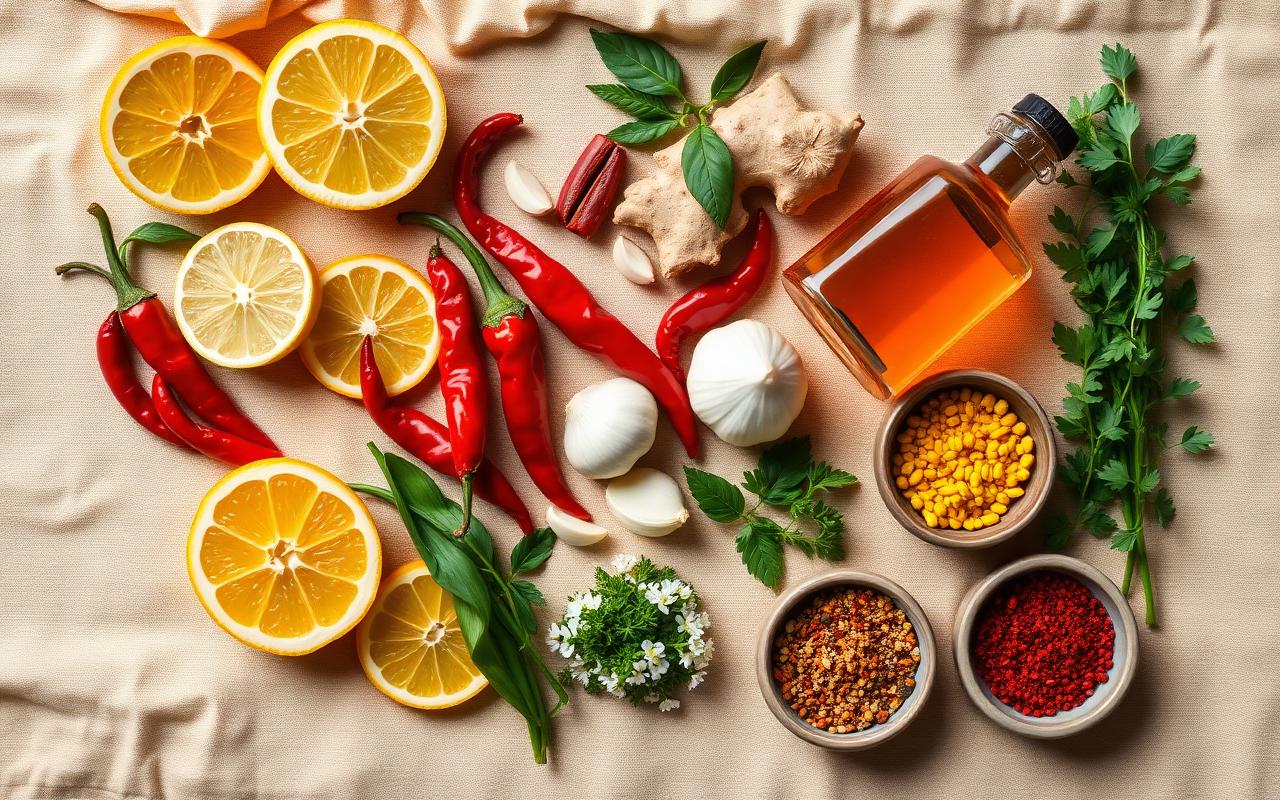
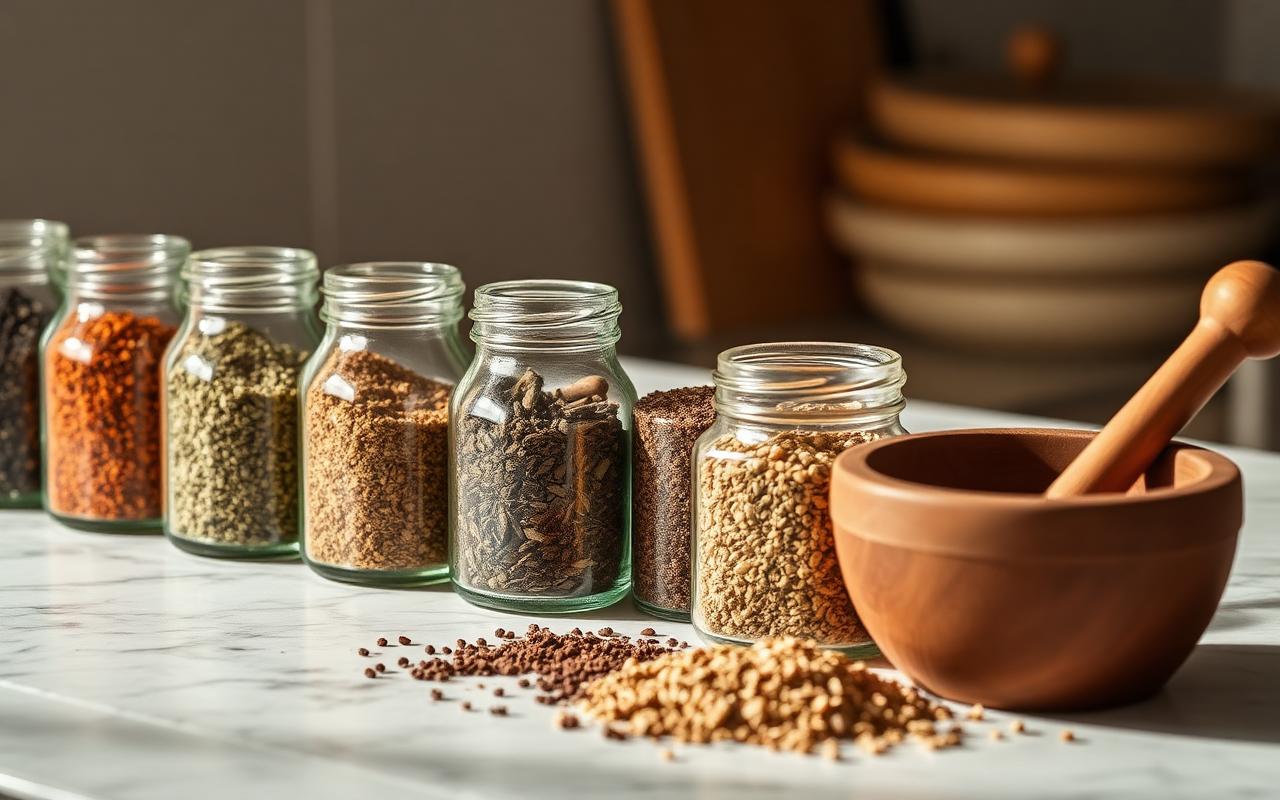
Salt-free doesn't have to mean bland — it means intentional. The right blend of dried herbs, spices, citrus, and aromatics can make chicken taste roasted and herby, fish taste bright and delicate, and roasted vegetables taste like something from a restaurant menu. The key is matching the blend to the food, not using one all-purpose mix on everything.
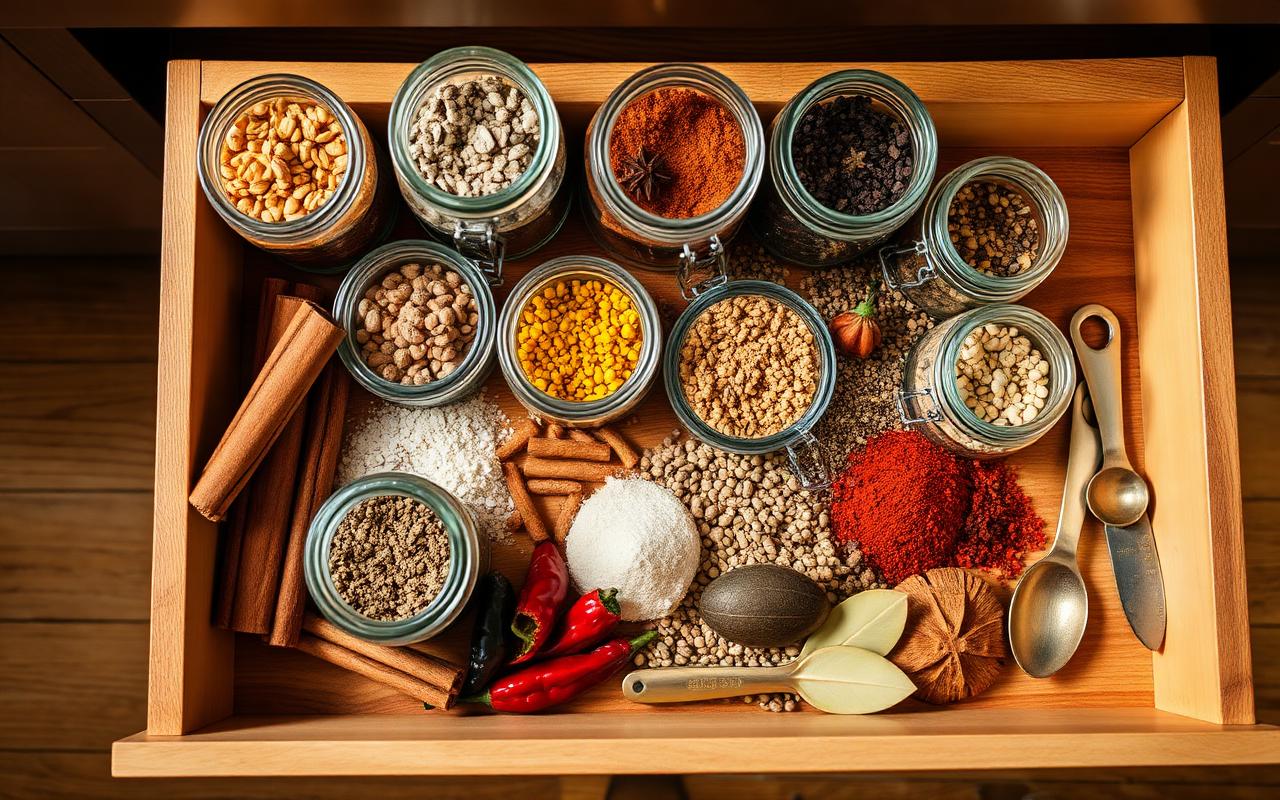
Below are specific, ratio-based blends organized by what you're cooking, plus guidance on buying pre-made blends and a careful note on potassium chloride salt substitutes. Keep a few small jars of these mixed and labeled in your salt-free spice cabinet so seasoning dinner takes seconds, not a trip through ten different containers.
Chicken
Poultry takes well to warm, herby, slightly smoky blends.
- Everyday roast chicken rub: 2 parts garlic powder, 2 parts onion powder, 1 part smoked paprika, 1 part dried thyme, 1 part black pepper, ½ part dried rosemary, crushed.
- Bright citrus-herb blend: 2 parts dried oregano, 1 part lemon zest (dried or fresh), 1 part garlic powder, ½ part black pepper. Great rubbed under the skin before roasting, similar to our lemon herb roast chicken.
Fish and seafood
Fish needs a lighter hand — you want blends that support delicate flavor, not overpower it.
- Citrus-dill blend: 2 parts dried dill, 1 part lemon zest, 1 part garlic powder, ½ part black pepper. Excellent on white fish or salmon, and close to what works in our citrus herb white fish.
- Old Bay-style, no-salt version: 1 part paprika, 1 part celery seed, ½ part dry mustard, ½ part black pepper, ¼ part cayenne, ¼ part ground bay leaf.
Beef and pork
Red meats can handle bolder, earthier, and smokier blends.
- All-purpose steak rub: 2 parts black pepper, 2 parts garlic powder, 1 part onion powder, 1 part smoked paprika, ½ part dried thyme.
- Pork rub with a little sweetness: 2 parts smoked paprika, 1 part garlic powder, 1 part onion powder, 1 part ground cumin, ½ part cinnamon, ½ part black pepper.
Eggs
Eggs are a blank canvas that loves fresh herbs and a little heat.
- Everyday egg blend: 1 part garlic powder, 1 part onion powder, ½ part black pepper, ½ part smoked paprika. Whisk into eggs before scrambling.
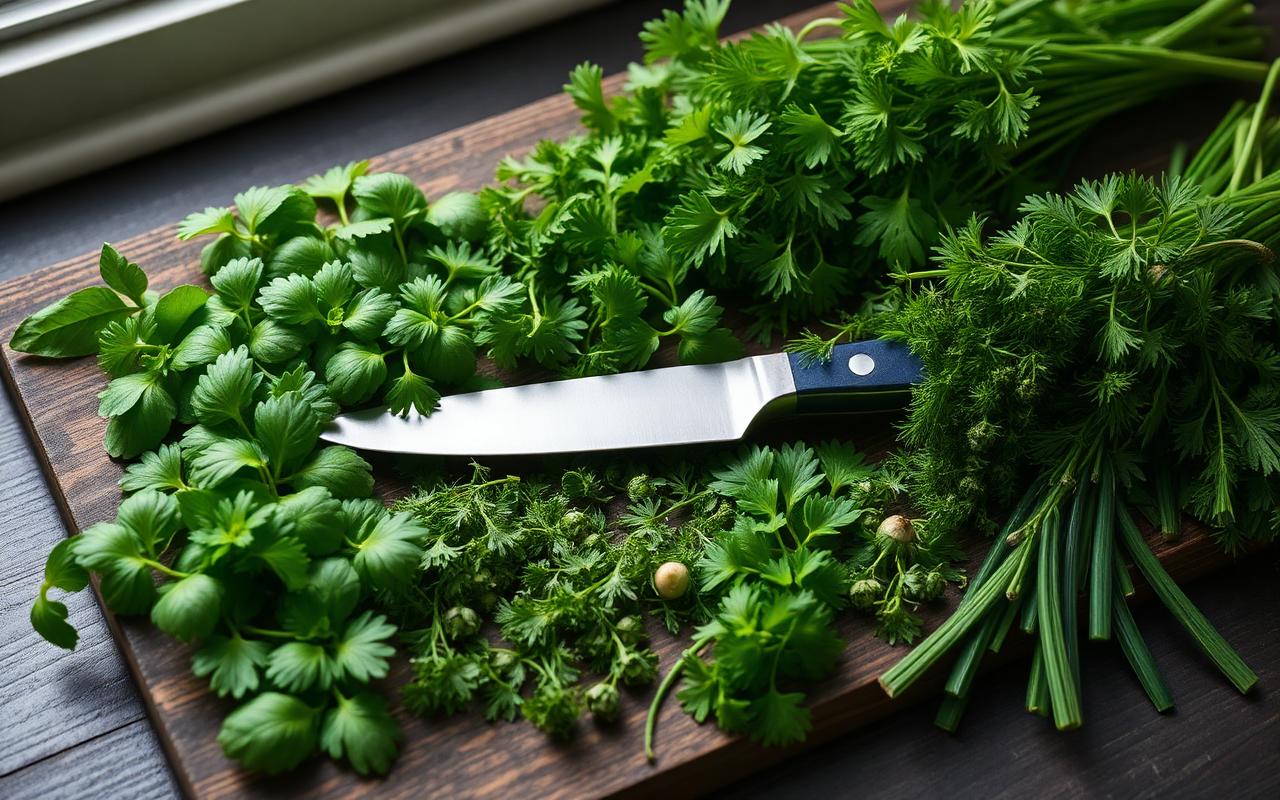
- Finish scrambled or fried eggs with chopped fresh chives or a few grinds of black pepper for extra freshness — see our guide to fresh herbs in low-sodium cooking.
Potatoes
Potatoes absorb flavor well and pair naturally with garlic and smoke.
- Roasted potato blend: 2 parts garlic powder, 1 part smoked paprika, 1 part dried rosemary, ½ part onion powder, ½ part black pepper. Toss with potatoes and olive oil before roasting.
- Mashed potato boost: roasted garlic (see technique #7 in our 25 ways to add flavor without salt), black pepper, and a splash of the potato cooking water.
Roasted vegetables
- All-purpose roasting blend: 2 parts garlic powder, 1 part onion powder, 1 part dried Italian herbs (oregano, basil, thyme), ½ part black pepper. This is close to our all-purpose salt-free seasoning, used generously in our garlic herb roasted vegetables.
- For sweeter vegetables like carrots or squash, add ¼ part cinnamon or a drizzle of honey before roasting.
Green vegetables
Lighter, brighter blends keep green vegetables from tasting one-note.
- Lemon-garlic finish: garlic powder, black pepper, and fresh lemon zest, tossed with steamed or sautéed greens right before serving.
- Toasted sesame seeds and a few drops of toasted sesame oil work beautifully on green beans or broccoli.
Rice and grains
- Herbed rice blend: 1 part dried parsley, 1 part garlic powder, ½ part onion powder, ½ part black pepper, stirred in after cooking.
- Cook rice or grains in no-salt vegetable stock instead of water for a flavor boost before you season at all.
Beans
- Southwest bean blend: 2 parts ground cumin, 1 part chili powder, 1 part garlic powder, ½ part smoked paprika, ½ part black pepper, pinch of cayenne.
- A splash of vinegar or fresh lime juice added at the end brightens beans considerably, as shown in our low-sodium black bean soup.
Soups
- Savory soup base blend: dried thyme, dried bay leaf, black pepper, and a spoonful of tomato paste cooked into the aromatics before adding liquid — the technique behind our flavorful low-sodium soup guide.
- Finish soups with fresh herbs and a squeeze of citrus rather than more dried seasoning.
Popcorn
- Everything-style topper: nutritional yeast, garlic powder, onion powder, and dried herbs (like dried dill or parsley), tossed with popcorn and a light spray of oil so the seasoning sticks.
- Sweet-smoky topper: smoked paprika with a small pinch of sugar and cayenne.
Tomatoes and salads
- Fresh tomatoes need very little: black pepper, torn basil, and a good olive oil are often enough.
- Salad seasoning blend: garlic powder, onion powder, dried oregano, and black pepper, whisked into vinegar and olive oil for a quick no-salt vinaigrette.
Buying salt-free blends: what to check on the label
Pre-made blends save time, but not all "salt-free" or "no-salt" labels mean the same thing.
- Read the ingredient list, not just the front label. Words like "seasoned salt," "salt substitute blend," or "sea salt" mean sodium is present even if the front says "low sodium."
- Check the Nutrition Facts panel for sodium per serving, ideally 5 mg or less for a true salt-free blend. Our guide on how to read sodium nutrition labels walks through this in detail.
- Watch for sneaky additives like MSG-adjacent flavor enhancers or dehydrated soy sauce, which aren't salt but do add sodium.
- Compare brands. Sodium content in "reduced sodium" spice blends can vary widely, so don't assume all products in the same category are equivalent.
A careful note on potassium chloride salt substitutes
Many salt substitutes replace some or all of the sodium chloride with potassium chloride, which tastes salty but doesn't raise sodium intake. These can be a useful tool for some people, but they aren't right for everyone.
If you take certain medications — including some blood pressure medications, ACE inhibitors, or potassium-sparing diuretics — or if you have kidney disease, elevated potassium can be dangerous. Please check with your healthcare professional before adding a potassium chloride salt substitute to your diet, and always follow any dietary restrictions your provider has given you.
For most home cooks without those concerns, potassium-based substitutes can be used sparingly alongside the herb and spice blends above, but they shouldn't be the only tool in your kitchen — the blends in this guide add real flavor complexity that salt substitutes alone can't.
Related Reading
- 25 Ways to Add Flavor Without Salt — techniques to pair with these seasoning blends.
- Your Salt-Free Spice Cabinet: What to Stock — the pantry essentials behind every blend here.
- How to Read Sodium on Nutrition Labels — decode packaged seasoning labels with confidence.
- Fresh Herbs That Make Low-Sodium Food Taste Amazing — pair these dried blends with fresh herbs for even more depth.