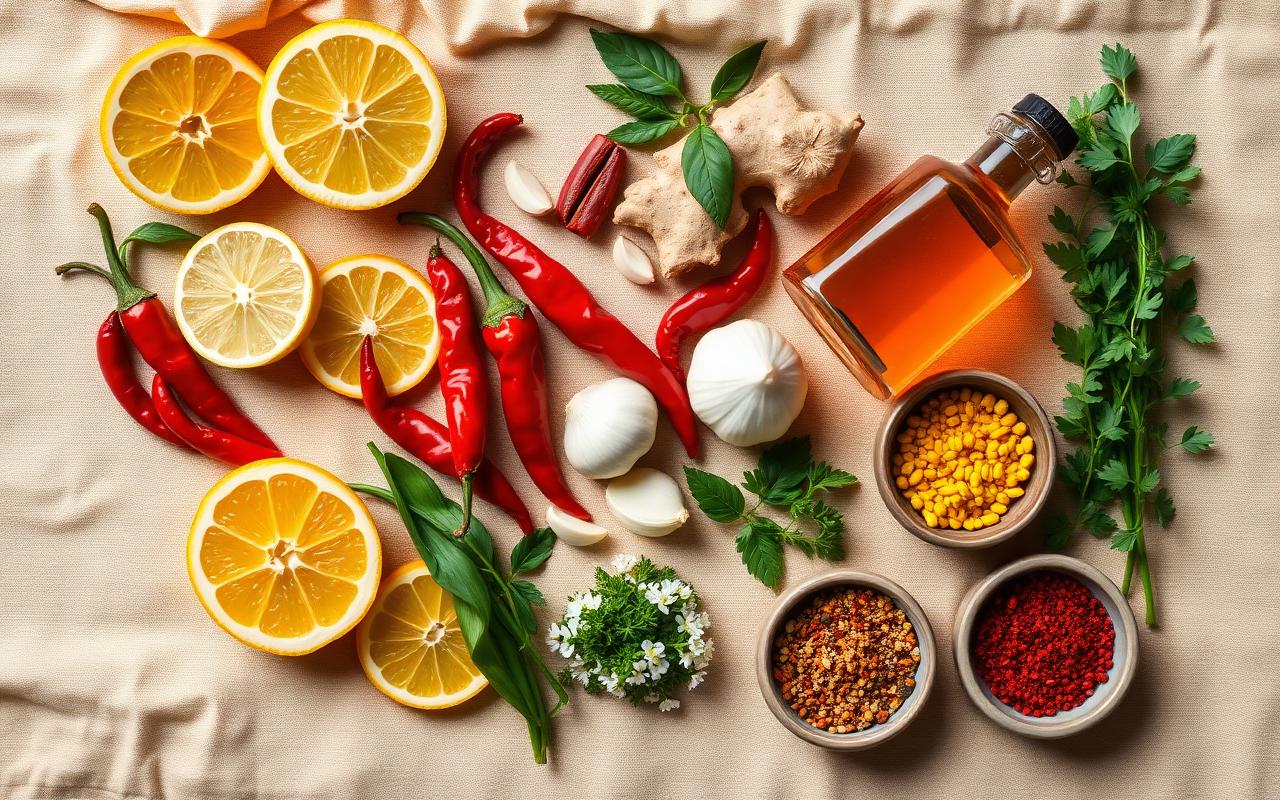
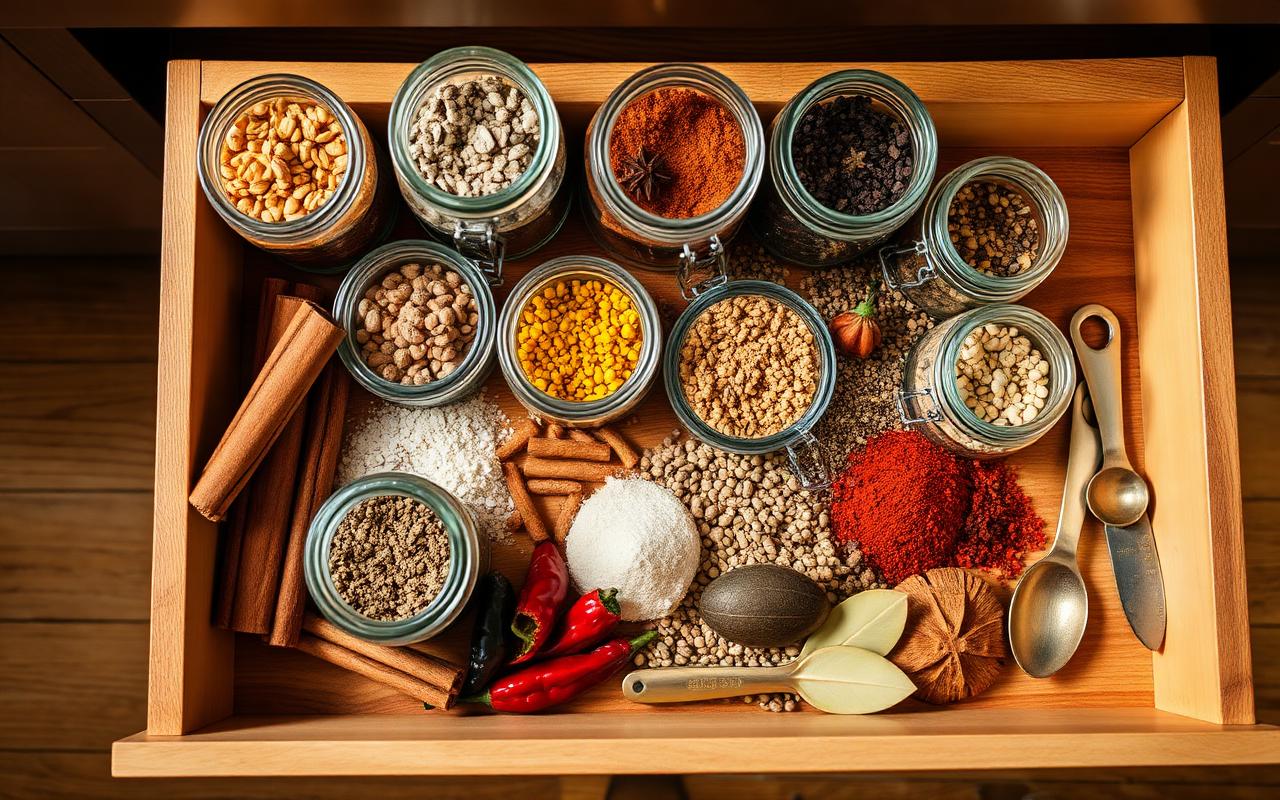
A good spice cabinet does more work than salt ever could — it's just less automatic. Salt makes things taste "seasoned" in one dimension; a well-stocked cabinet gives you warmth, brightness, heat, smokiness, and depth, often in the same dish. Building that cabinet once means you'll always have a way to make food taste finished, no shaker required.
This guide covers what to buy, how to buy it well, how to store it, and how to combine what you have into the flavor profiles of a dozen cuisines. Pair it with our list of best salt-free seasonings if you'd rather buy pre-made blends, or with fresh herbs in low-sodium cooking for the fresh-herb side of the pantry.
The 12 Starter Spices
| Spice | What it does |
|---|---|
| Black pepper | Sharp, mild heat; the closest thing to a universal seasoning |
| Cumin | Earthy, warm; anchors Mexican, Indian, and Middle Eastern cooking |
| Smoked paprika | Adds smokiness without a grill; great substitute for bacon-driven flavor |
| Sweet paprika | Mild color and gentle sweetness |
| Garlic powder | Concentrated savory depth (buy plain, not "garlic salt") |
| Onion powder | Rounds out savory dishes, especially soups and sauces |
| Chili powder | Warmth and mild heat; base of Tex-Mex cooking |
| Cayenne pepper | Pure heat, used in small amounts |
| Ground coriander | Citrusy, slightly sweet; pairs with cumin |
| Turmeric | Earthy color and flavor, the backbone of curry blends |
| Ground cinnamon | Warmth in both sweet and savory Middle Eastern and Moroccan dishes |
| Ground mustard | Tangy sharpness that boosts sauces and dressings |
The 8 Starter Dried Herbs
| Herb | What it does |
|---|---|
| Oregano | Robust, slightly bitter; Italian, Greek, and Mexican dishes |
| Basil | Sweet and slightly peppery; tomato-based dishes |
| Thyme | Earthy backbone for soups, roasts, and stocks |
| Rosemary | Piney and bold; best with roasted meats and potatoes |
| Bay leaves | Subtle depth in long-simmered dishes; remove before serving |
| Dill | Bright and grassy; fish, yogurt sauces, and cucumbers |
| Marjoram | Milder cousin of oregano; good in delicate dishes |
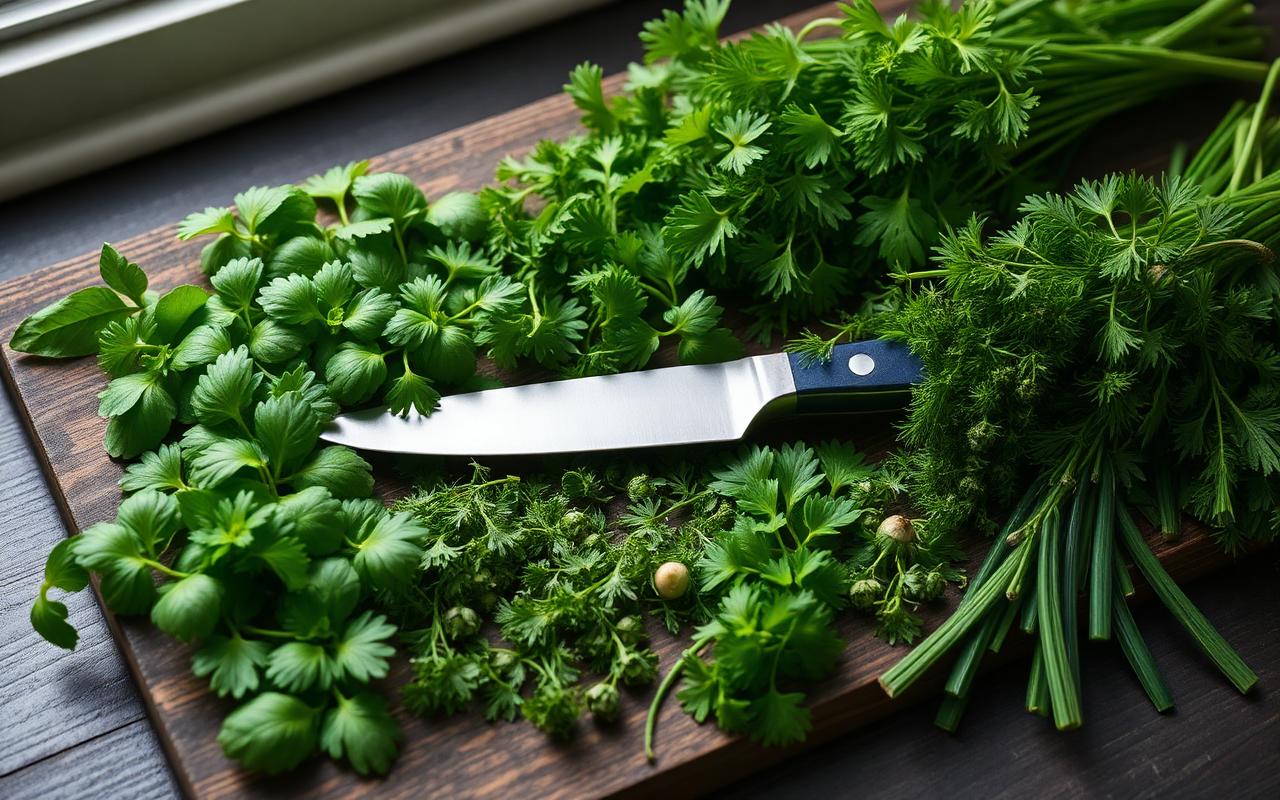
| Parsley (dried or fresh) | Freshens up almost anything at the end of cooking |
How to Buy
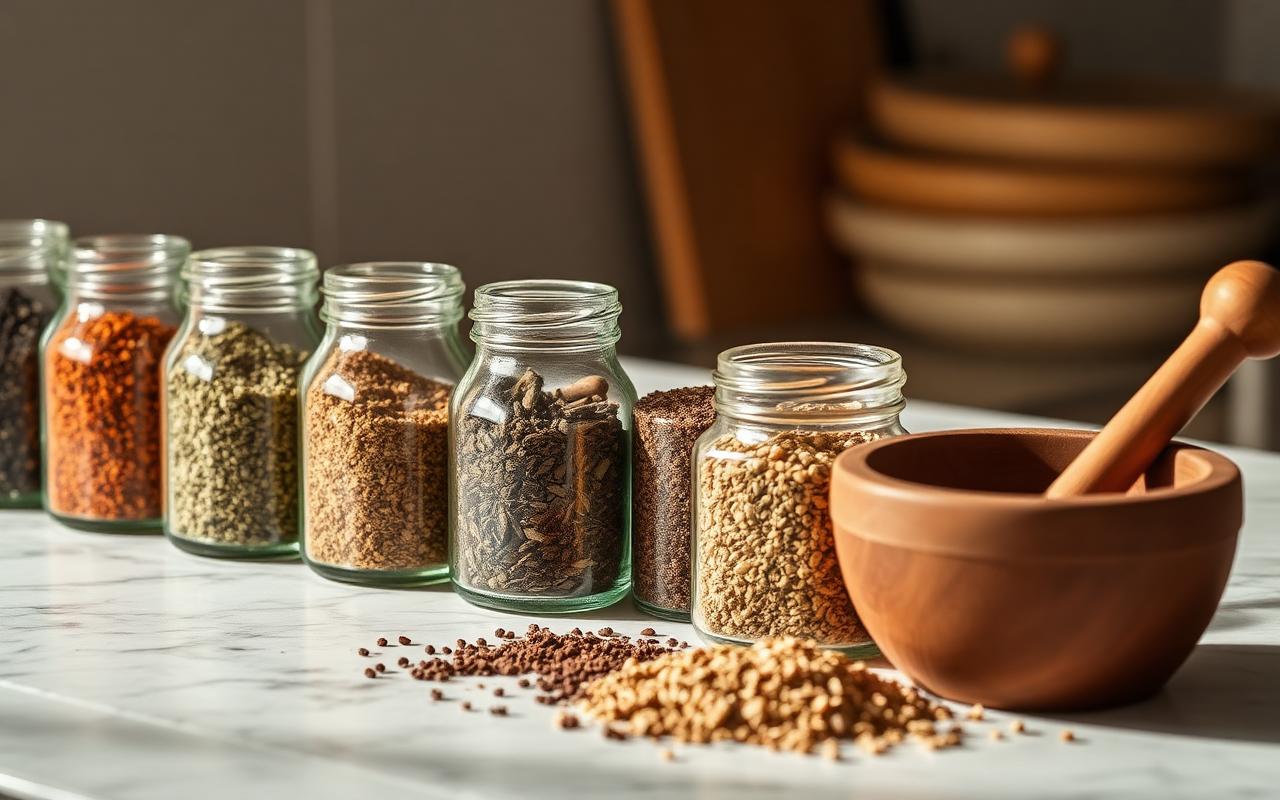
Whole vs. ground. Whole spices (peppercorns, cumin seed, coriander seed) keep their flavor far longer than ground versions and let you toast and grind just before using. Ground spices are more convenient for everyday cooking — a reasonable approach is to keep pepper and a couple of seed spices whole, and buy the rest pre-ground.
Where to buy cheaply. Skip the small jars in the standard grocery aisle when you can. Options that stretch your money further:
- Bulk bins at grocery or natural food stores, where you buy only what you need
- International grocery stores, which often sell the same spices at a fraction of the price
- Larger bags from warehouse or online retailers if you cook with a spice often
Reading labels for hidden salt. This is the step people miss most often. Many "seasoning" products are actually salt blends in disguise:
- Garlic salt and onion salt are mostly salt with a little garlic or onion powder added
- Celery salt is salt plus ground celery seed
- Seasoned salt blends (a common one uses paprika, turmeric, and salt) are salt-forward by design
- Lemon pepper often contains a significant amount of salt unless labeled otherwise
- Bouillon powder and cubes are typically very high in sodium per serving
Always check the ingredient list, not just the front label. If salt appears in the first few ingredients, or the nutrition panel shows a meaningful amount of sodium per serving, look for a version explicitly labeled "salt-free" or "no salt added," or make your own using the ingredient list further down. For a deeper walkthrough of decoding labels generally, see how to read sodium nutrition labels.
Storage and Shelf Life
Keep spices away from heat, light, and moisture — that means a cabinet or drawer, not a rack next to the stove. As rough guidelines:
- Ground spices: 2–3 years for best flavor, though they remain safe longer
- Whole spices: 3–4 years
- Dried herbs: 1–3 years, with leafier herbs like basil and parsley fading faster than woody ones like rosemary and thyme
If a spice smells faint when you open the jar, it's past its prime for flavor purposes even if it's still safe to use.
Toasting and Grinding
Toasting whole spices in a dry skillet for a minute or two before grinding wakes up their oils and deepens their flavor substantially. This matters most for cumin, coriander, and whole peppercorns. Let toasted spices cool slightly before grinding in a dedicated spice grinder or a mortar and pestle, then use them right away for the strongest flavor.
Cuisine-Building Blends
Once your cabinet is stocked, these proportions turn a handful of jars into distinct cuisines. Mix by parts so you can scale to any batch size.
Italian: 2 parts oregano, 2 parts basil, 1 part thyme, 1 part garlic powder, pinch of red pepper flakes. Good on marinara, roasted vegetables, and chicken.
French herbes-style: Equal parts thyme, marjoram, rosemary, and a little dried tarragon if you have it. Good with roast chicken and simmered beans.
Mexican / Tex-Mex: 2 parts chili powder, 1 part cumin, 1 part smoked paprika, 1 part garlic powder, 1 part onion powder, pinch of cayenne. Good on beans, tacos, and roasted corn.
Cajun (salt-free): 2 parts smoked paprika, 1 part garlic powder, 1 part onion powder, 1 part black pepper, 1 part cayenne, 1 part dried oregano, 1 part dried thyme. Good on fish and roasted vegetables.
Indian curry-style: 2 parts turmeric, 2 parts cumin, 2 parts coriander, 1 part cinnamon, 1 part black pepper, pinch of cayenne. A simplified garam masala adds a bit more cinnamon and a pinch of ground clove or cardamom if available.
Middle Eastern za'atar-style: 2 parts dried thyme, 1 part toasted sesame seeds, 1 part ground sumac if you can find it, pinch of oregano. Wonderful with olive oil on vegetables or white fish.
Moroccan: 1 part cumin, 1 part coriander, 1 part cinnamon, 1 part turmeric, pinch of cayenne, pinch of ground ginger. Good on roasted root vegetables and stews.
Chinese five spice: Equal parts ground cinnamon, ground cloves, fennel seed, star anise, and Sichuan pepper (or black pepper as a substitute). Good on roasted meats and stir-fries.
Greek: 2 parts oregano, 1 part garlic powder, 1 part onion powder, 1 part black pepper, squeeze of lemon zest added fresh. Good on roasted vegetables and grilled chicken.
Jerk-style: 1 part allspice, 1 part cinnamon, 1 part cayenne or crushed dried chile, 1 part onion powder, 1 part garlic powder, pinch of thyme. Good on grilled or roasted chicken and pork.
Barbecue rub: 2 parts smoked paprika, 1 part chili powder, 1 part garlic powder, 1 part onion powder, 1 part black pepper, pinch of cinnamon for warmth. Good on ribs, chicken, and roasted vegetables.
Lemon pepper without salt: 2 parts fresh or dried lemon zest, 1 part coarsely ground black pepper, pinch of garlic powder. Store fresh zest versions in the fridge and use within a week, or dry the zest fully before combining for longer shelf life.
Which Blend Suits Which Food
- Roasted vegetables: Italian, Greek, Cajun, or za'atar-style
- Chicken: French herbes-style, jerk, barbecue rub, or lemon pepper
- Fish: Za'atar-style, lemon pepper, or a light Cajun
- Beans and legumes: Mexican/Tex-Mex or Moroccan
- Soups and stews: French herbes-style, Moroccan, or Indian curry-style
- Grains and rice: Indian curry-style or Chinese five spice, used sparingly
Keep a jar of your most-used blend near the stove for daily cooking, and store the rest of your cabinet further back to protect them from heat. For more on turning these blends into finished dishes, see add flavor without salt and flavorful low-sodium soup.
Related Reading
- Best Salt-Free Seasonings — ready-made blends worth buying if you'd rather not mix your own.
- Fresh Herbs in Low-Sodium Cooking — how fresh herbs complement your dried spice cabinet.
- Add Flavor Without Salt — techniques beyond spices, like acid and umami.
- How to Read Sodium Nutrition Labels — spot hidden salt in seasoning blends at the store.