
Soup has a sodium problem. A single cup of canned soup can carry 700 to 900 mg of sodium, and a couple of bouillon cubes can push a pot well past the estimated 1,500 to 2,300 mg that health guidelines suggest as a daily ceiling. That's before you've added a single pinch from the shaker. The good news is that soup is also one of the easiest things to fix at home, because most of its flavor doesn't actually come from salt — it comes from technique.
This guide walks through a repeatable method you can apply to almost any soup, from a weeknight vegetable pot to a weekend batch of black bean soup. If you're new to low-sodium cooking generally, it's worth pairing this with our beginner's guide to low-sodium eating and our roundup of ways to add flavor without salt, since the same principles show up in soup again and again.
Why canned soup and bouillon are the problem
Canned soups and bouillon cubes are concentrated salt-delivery systems by design. Salt is cheap, it's a preservative, and it's the fastest way to make a bland, mass-produced broth taste like something. When you make soup from scratch, you trade that shortcut for real flavor-building steps — but those steps take maybe 15 extra minutes, not hours.
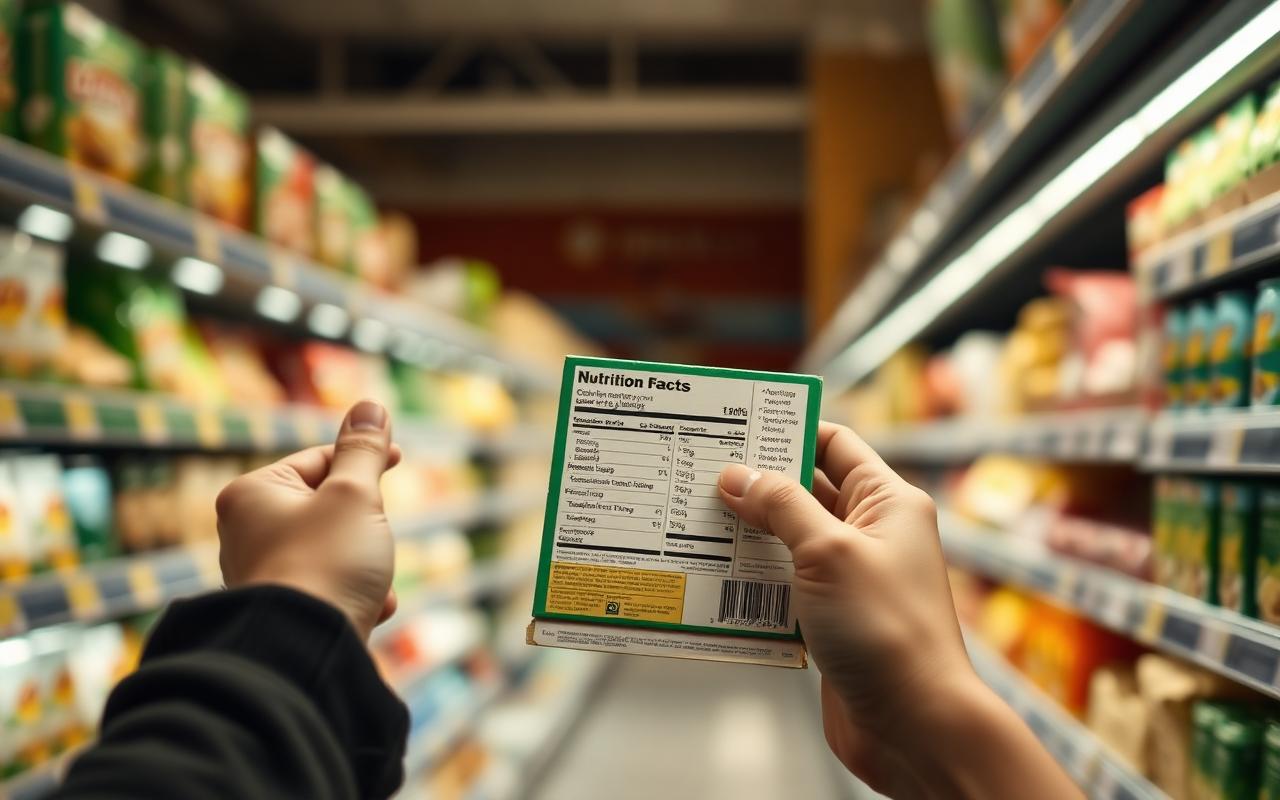
If you do buy stock or broth, check the label carefully; our guide to reading sodium nutrition labels explains how to spot "reduced sodium" claims that are still fairly salty. Better yet, make your own. Our no-salt vegetable stock recipe is a great base to keep in the freezer specifically for soup season.
The 8-step master method
This sequence works for nearly any soup — vegetable, bean, chicken, or pureed.
- Start with real stock. Homemade or genuinely low-sodium stock is your flavor foundation. Everything else is easier when the base isn't watery.
- Brown your aromatics properly. Cook onion, carrot, celery, and garlic in a little oil over medium heat until they actually caramelize at the edges — not just soften. Browning creates flavor compounds that salt can't replicate.
- Add tomato paste and cook it out. A spoonful of tomato paste stirred into the browned vegetables and cooked for 1-2 minutes until it darkens slightly adds concentrated umami and a subtle sweetness.
- Layer in umami boosters. This is where a lot of the "salty" satisfaction actually comes from. See the table below.
- Bloom your spices. Toast dried spices like cumin, paprika, or curry powder in the oil for 30 seconds before adding liquid. This wakes up their aromatic oils dramatically.
- Add hardy herbs early, soft herbs late. Thyme, rosemary, and bay leaves go in with the stock. Parsley, basil, dill, and cilantro go in during the last minute or two of cooking.
- Finish with acid. A squeeze of lemon, a splash of vinegar, or a spoonful of unsalted tomato at the very end brightens everything and makes flavors taste "louder" without adding sodium.
- Build body and texture. Puree a portion of the soup, mash some beans, add a diced potato early to thicken naturally, or stir in a splash of cream at the end.
Umami and flavor boosters
Umami is the savory, mouth-filling quality that salt often gets credit for, but plenty of low-sodium ingredients deliver it on their own.
| Booster | How to use it | Notes |
|---|---|---|
| Mushrooms | Sauté sliced mushrooms with the aromatics, or add dried mushrooms to the stock | Dried porcini rehydrated in hot water adds huge depth |
| Roasted vegetables | Roast tomatoes, carrots, or squash before adding to soup | Concentrates natural sugars and flavor |
| Nutritional yeast | Stir in 1-2 tablespoons near the end | Cheesy, savory flavor with almost no sodium |
| Parmesan rind | Simmer a rind in the soup, then remove it | Adds savoriness but does carry some sodium — use sparingly and factor it in |
| Miso (use sparingly) | Whisk a small amount into a ladle of warm soup before stirring back in | Miso is salty, so treat it as a seasoning, not a base — a little goes a long way |
| Tomato paste | Cook into the aromatics before adding liquid | Concentrated sweetness and acidity |
| Toasted spices | Bloom in oil before adding liquid | Amplifies aroma without any sodium |
| Garlic and onion, well-browned | Cook longer and darker than you think you need to | Caramelization equals flavor |
Herb and spice timing matters
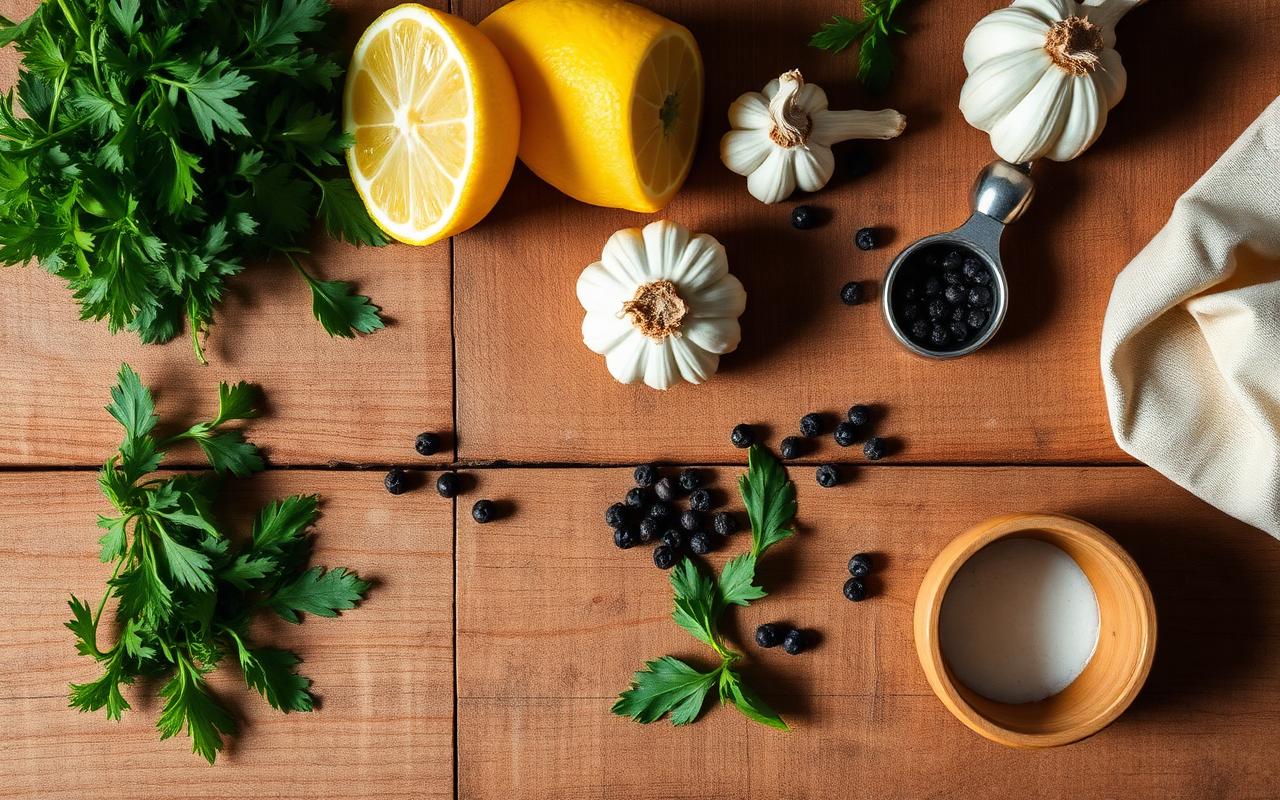
A common mistake is dumping every herb in at the start. Hardy, woody herbs like rosemary, thyme, and bay can simmer for the full cooking time without losing much character. Delicate herbs like basil, cilantro, dill, and parsley lose their brightness quickly, so stir them in right before serving. If you want a deeper dive on which herbs do what, our guide to cooking with fresh herbs and salt-free spice cabinet articles are good companions to this one.
Texture and body without salt
Salt doesn't actually add body to soup, but a thin, watery soup can feel like it needs more seasoning when what it really needs is more texture. Try:
- Pureeing part of the soup. Blend a third to half of a vegetable or bean soup and stir it back in for a creamier consistency.
- Beans. Mashed or pureed beans thicken a soup and add protein at the same time — try this in a low-sodium black bean soup.
- Potato. A diced potato simmered in the soup breaks down slightly and thickens the broth naturally.
- A finishing splash of cream or unsalted yogurt. Adds richness and a sense of indulgence that reads as "well-seasoned."
Garnishes that add contrast
The last layer of flavor happens at the bowl, not the pot. A garnish adds a textural or flavor contrast that makes the whole bowl taste more finished:
- A drizzle of good olive oil
- Fresh herbs, chopped just before serving
- A squeeze of lemon or lime at the table
- Toasted, unsalted nuts or seeds for crunch
- A dollop of plain yogurt or a spoonful of herby yogurt sauce
- Freshly cracked black pepper or a pinch of chili flakes
Troubleshooting: "my soup tastes flat"
If you've followed the method and the soup still tastes like something is missing, work through this checklist before reaching for salt:
- Add acid first. This is the single most common fix. A splash of vinegar or lemon juice often "unlocks" flavors that are already there.
- Check for enough fat. A soup that's too lean can taste one-dimensional; a drizzle of olive oil at the end helps carry flavor.
- Taste for sweetness and bitterness balance. A pinch of sugar or a longer simmer on onions can round out a soup that tastes sharp or bitter.
- Add more aromatics or spice, not more liquid. Diluted soup often reads as "underseasoned" when it's really just underconcentrated — simmer uncovered a bit longer.
- Reach for umami, not salt. Try the boosters above one at a time rather than salt, which just makes things taste "salty" instead of more flavorful.
If you're managing a broader eating plan, soup fits neatly into low-sodium meal prep — a big pot on Sunday can carry you through several lunches. As always, if you have a medical condition or a prescribed sodium restriction, follow your healthcare professional's specific guidance rather than general tips like these.
Related Reading
- Add Flavor Without Salt — core techniques that apply far beyond soup.
- The Salt-Free Spice Cabinet — which spices to stock and how to use them.
- Cooking With Fresh Herbs — timing and pairing herbs for maximum flavor.
- Low-Sodium Meal Prep — how a batch of soup fits into a week of meals.