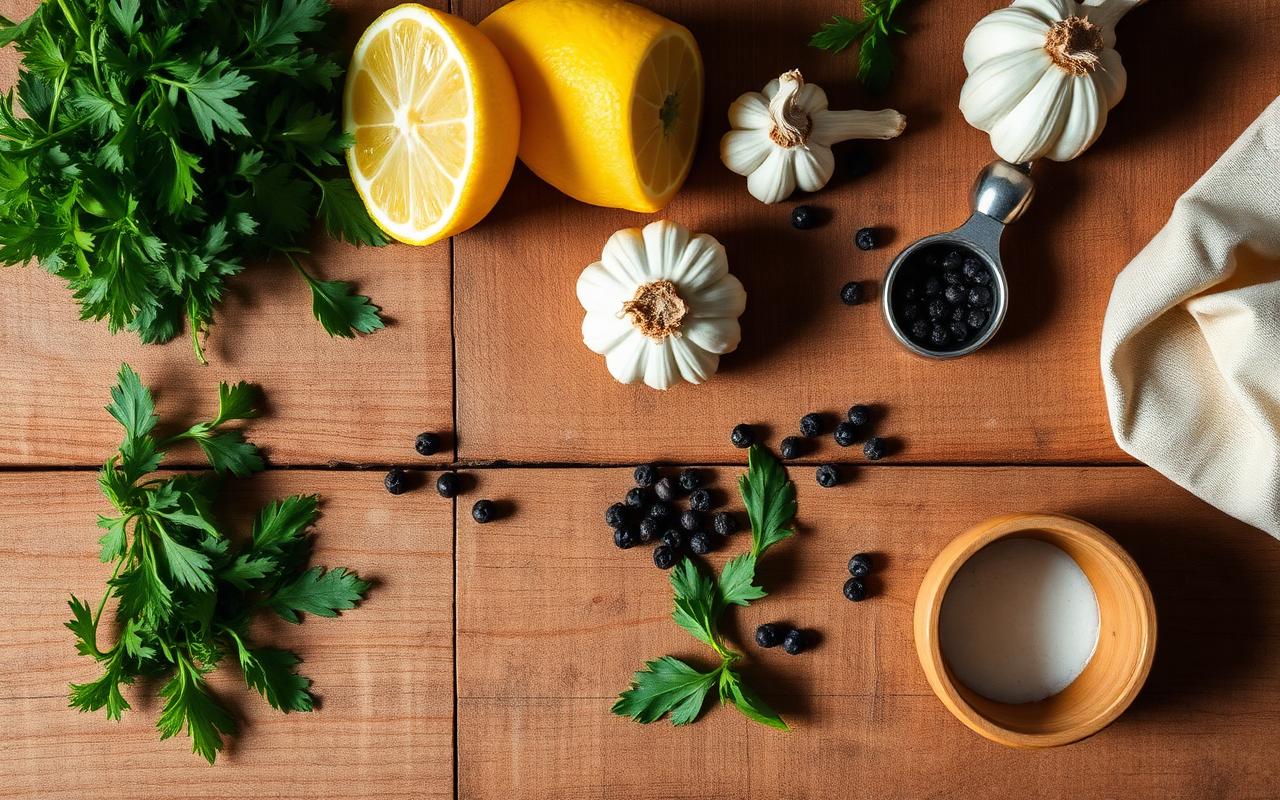
Starting a low-sodium way of eating can feel overwhelming at first, especially if you have spent years cooking and eating the way most of us grew up doing: reaching for the shaker, buying whatever is on sale, and eating out without a second thought. The good news is that you do not need to overhaul everything overnight. Small, steady changes compound quickly.
This guide walks through the basics of sodium, explains where it actually comes from in a typical diet, and gives you a realistic month-long plan for easing into lower-sodium eating without feeling like you are white-knuckling your way through every meal.
If you have a heart condition, kidney disease, high blood pressure, or any other diagnosis that comes with a specific sodium target, treat this article as general information and follow your healthcare professional's guidance instead, since your needs may be more specific than general recommendations.
Sodium 101: What It Actually Does
Sodium is a mineral your body needs in small amounts to regulate fluid balance, transmit nerve signals, and help muscles contract. The problem is not that sodium is bad — it is that most people eat far more than they need, and that excess is linked to higher blood pressure over time in many people.
Table salt is sodium chloride, and it is only about 40% sodium by weight. That distinction matters because "salt" and "sodium" get used interchangeably in casual conversation, but nutrition labels report milligrams of sodium, not salt. A teaspoon of table salt contains roughly 2,300 mg of sodium — which is roughly a full day's worth of sodium under common U.S. guidance for adults.
The Dietary Guidelines for Americans recommend that adults limit sodium to less than 2,300 mg per day. The American Heart Association goes further, suggesting an ideal limit of 1,500 mg per day for most adults, especially those managing blood pressure. Think of 2,300 mg as a ceiling and 1,500 mg as a target to work toward gradually, not a number to hit perfectly on day one.
Where Sodium Actually Comes From
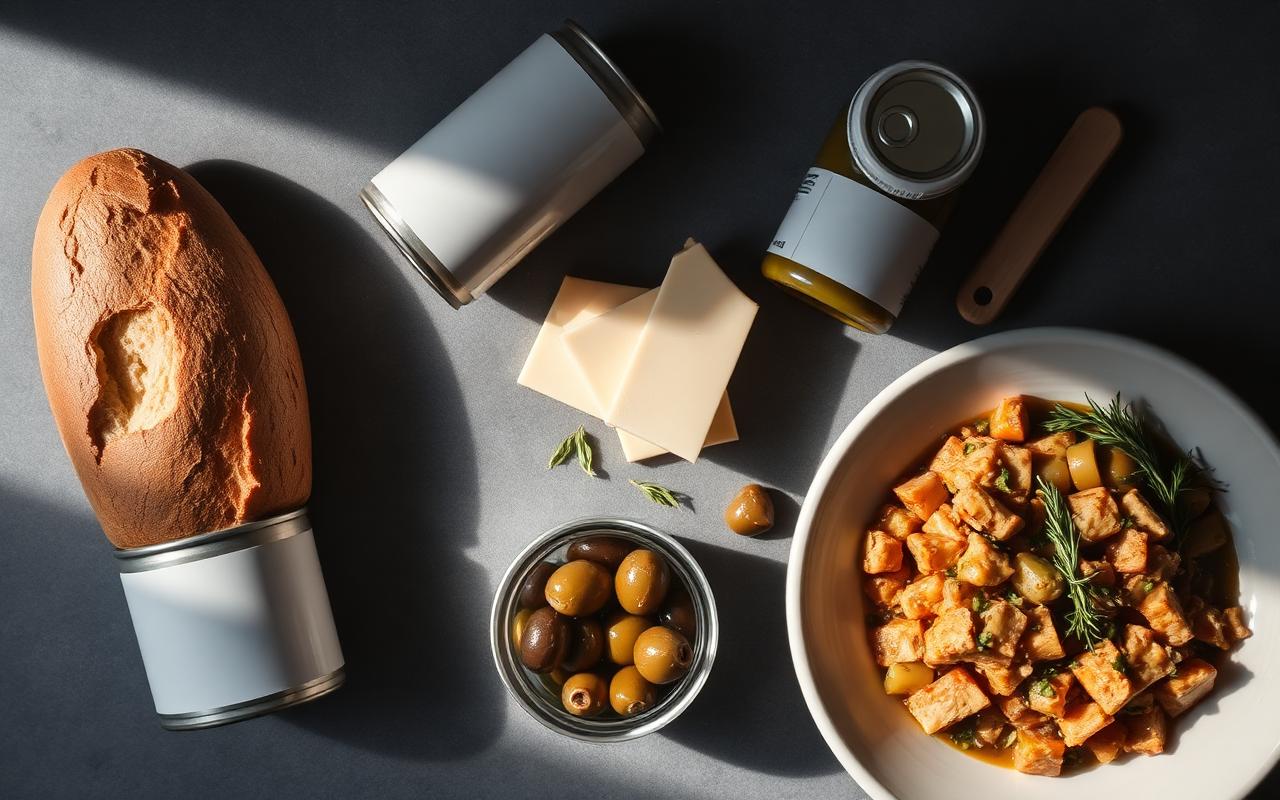
Here is the part that surprises most beginners: the salt shaker is a minor player. Most sodium in a typical American diet comes from packaged, processed, and restaurant food — not from salt added at the table or even in home cooking. Bread, cold cuts, pizza, canned soup, condiments, cheese, and restaurant meals quietly account for the bulk of it. We cover this in detail in hidden sources of sodium you may not expect, but the short version is: if you only cut back on the shaker, you will barely move the needle.
This is actually encouraging news. It means the highest-leverage change you can make is not "stop salting your food" but "cook more of your own food from ingredients that start out naturally low in sodium." Fresh vegetables, fruit, plain rice and grains, unsalted nuts, and fresh meat and fish are all naturally low in sodium before anything is added to them. See our list of naturally low-sodium foods for a fuller rundown.
Reading Labels Without a Headache
Once you start looking, sodium counts on packaged food can be shocking. A single serving of canned soup can carry 700-900 mg of sodium, and a fast-food sandwich can easily clear 1,000 mg on its own — sometimes more, depending on the brand and preparation, so treat any specific number as an estimate rather than a universal fact.
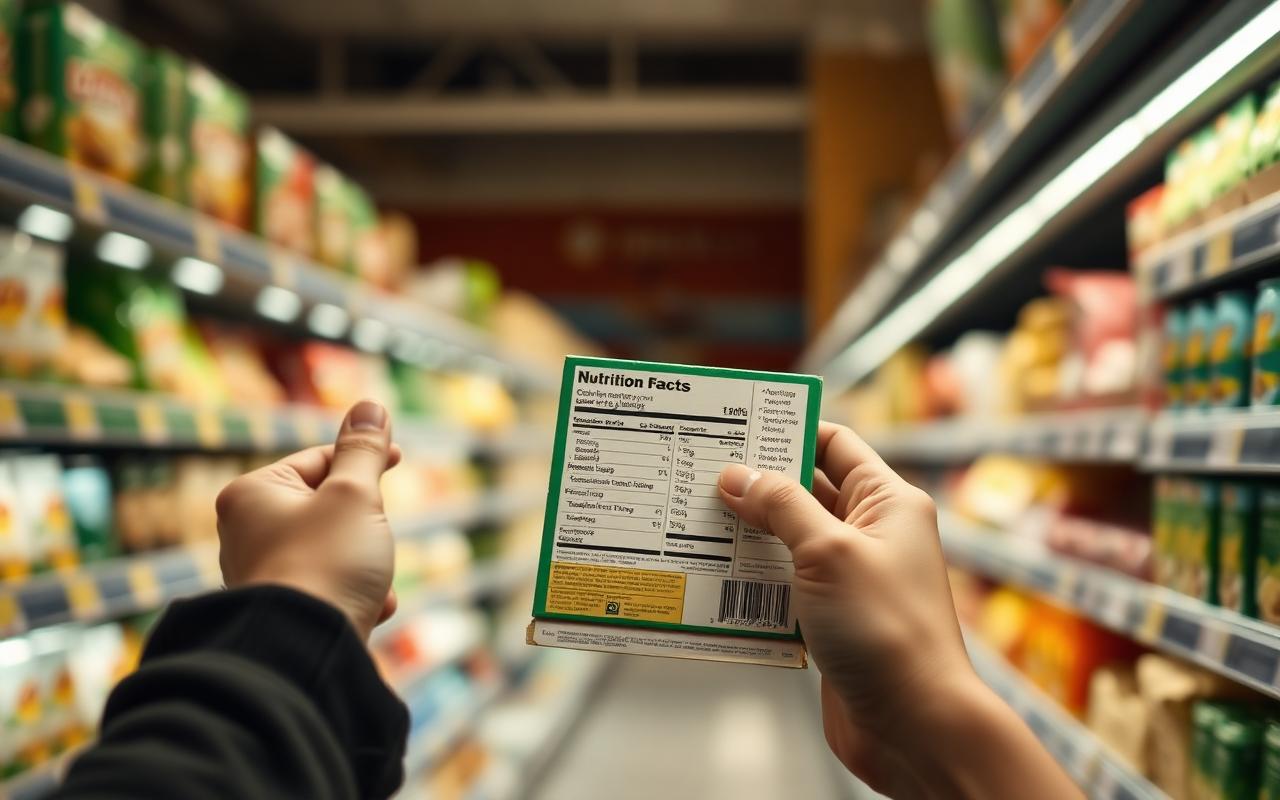
The fastest skill to build is checking the Nutrition Facts panel for milligrams of sodium per serving and the %Daily Value next to it. As a rough rule of thumb, 5% DV or less per serving is considered low, and 20% DV or more is considered high. We break this down step by step, including front-of-package claims like "reduced sodium" and "no salt added," in how to read sodium nutrition labels.
Simple Swaps That Add Up
You do not need exotic ingredients to eat this way. Most of the work is substitution:
- Swap canned soup for a homemade version using no-salt vegetable stock as your base.
- Swap deli cold cuts for roasted chicken or turkey you cook yourself, like lemon herb roast chicken, sliced thin for sandwiches.
- Swap jarred pasta sauce for no-salt-added marinara, which you can doctor with garlic, herbs, and a splash of good olive oil.
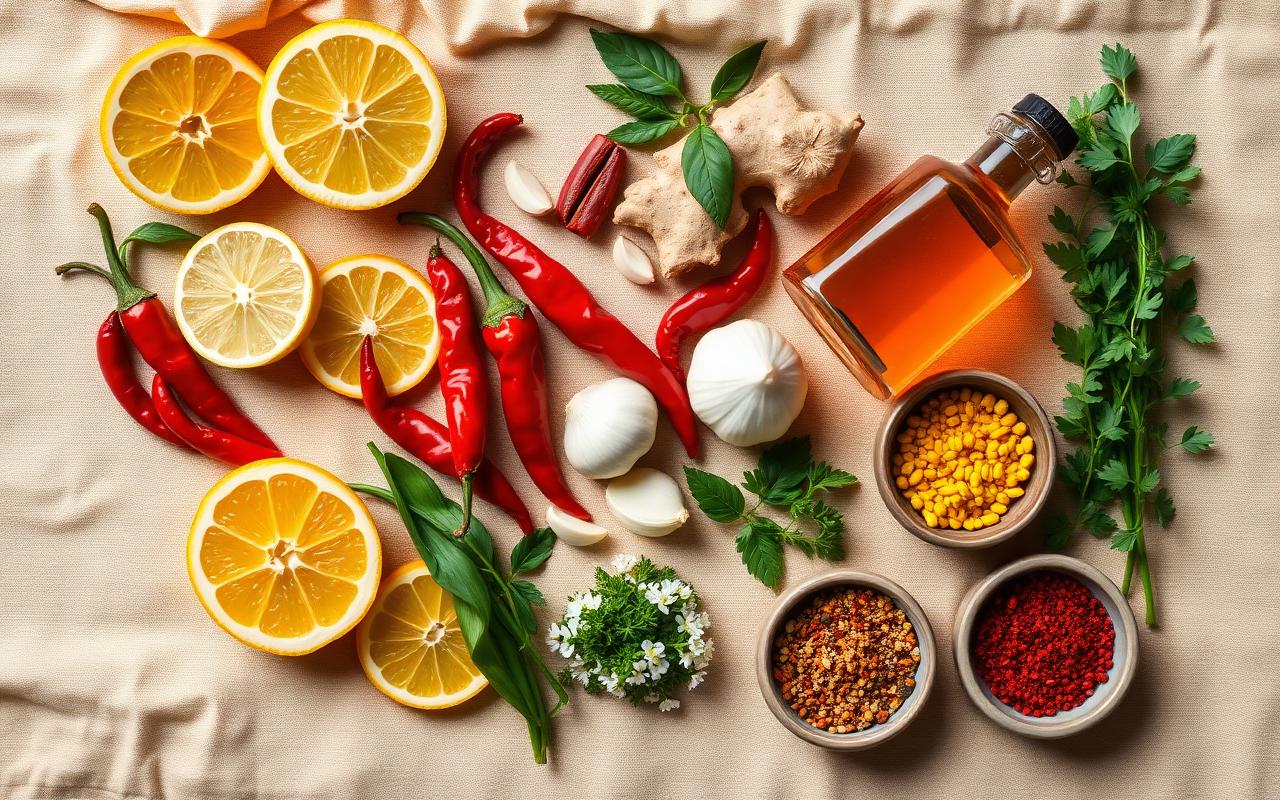
- Swap table salt at the stove for a well-built spice blend — see best salt-free seasonings for combinations that actually deliver flavor.
- Swap regular canned beans for low-sodium or no-salt-added versions, or cook dried beans from scratch and season them yourself.
For a longer list organized by grocery category, our easy low-sodium food swaps guide is worth bookmarking, and our low-sodium grocery shopping guide will help you rebuild your shopping list aisle by aisle.
A Realistic 4-Week Ramp-Up Plan
Trying to hit 1,500 mg a day starting tomorrow, when you have been eating a typical diet, usually backfires — food tastes bland, you feel deprived, and you quit. Instead, try easing in.
Week 1: Observe and Learn
Do not change anything yet. Just start reading labels on everything you already eat and jot down (mentally or on paper) which foods are your biggest sodium contributors. For most people, this turns out to be bread, cheese, deli meat, canned goods, and one or two "problem" restaurant meals or takeout orders.
Week 2: Fix Breakfast and Snacks
Breakfast and snacking are usually the easiest wins because they involve fewer moving parts. Swap salted crackers, chips, and flavored yogurt for fruit, plain yogurt, unsalted nuts, or homemade snacks. Our low-sodium snack ideas article has a long list of options that do not feel like a downgrade.
Week 3: Rebuild Two Dinners
Pick your two most common weeknight dinners and rebuild them with lower-sodium versions of the same idea — pasta night with homemade sauce, taco night with your own seasoning blend instead of a packet. This is also a good week to try batch cooking; see low-sodium meal prep for a workflow that saves time later in the month.
Week 4: Tackle Restaurants and Full Meal Planning
By week four, you have already cut a meaningful amount of sodium just from home cooking. Now work on restaurant strategy — asking for sauces on the side, choosing grilled over breaded, and picking simpler dishes. Our low-sodium restaurant ordering guide covers this in detail. This is also a good time to start using a structured plan like our 7-day low-sodium meal plan so you are not reinventing meals from scratch every single day.
What to Expect
Your palate genuinely adjusts. Most people who cut back on sodium for a few weeks find that previously "normal" foods start to taste intensely salty, and that herbs, citrus, and spice do a lot more work than they expected. It is a real adjustment period, typically a few weeks, not a permanent sacrifice.
Progress here is not about perfection. Some days will be higher in sodium than others, especially around holidays or travel, and that is fine. The goal is a lower average over time, built from habits you can actually sustain.
Related Reading
- Best Salt-Free Seasonings — build a spice cabinet that replaces salt with real flavor.
- Naturally Low-Sodium Foods — a shopping-list-friendly reference of foods that start out low in sodium.
- Low-Sodium Meal Prep — batch-cook your way through busy weeks without relying on packaged shortcuts.
- Flavorful Low-Sodium Soup — proof that cutting sodium does not mean cutting flavor.