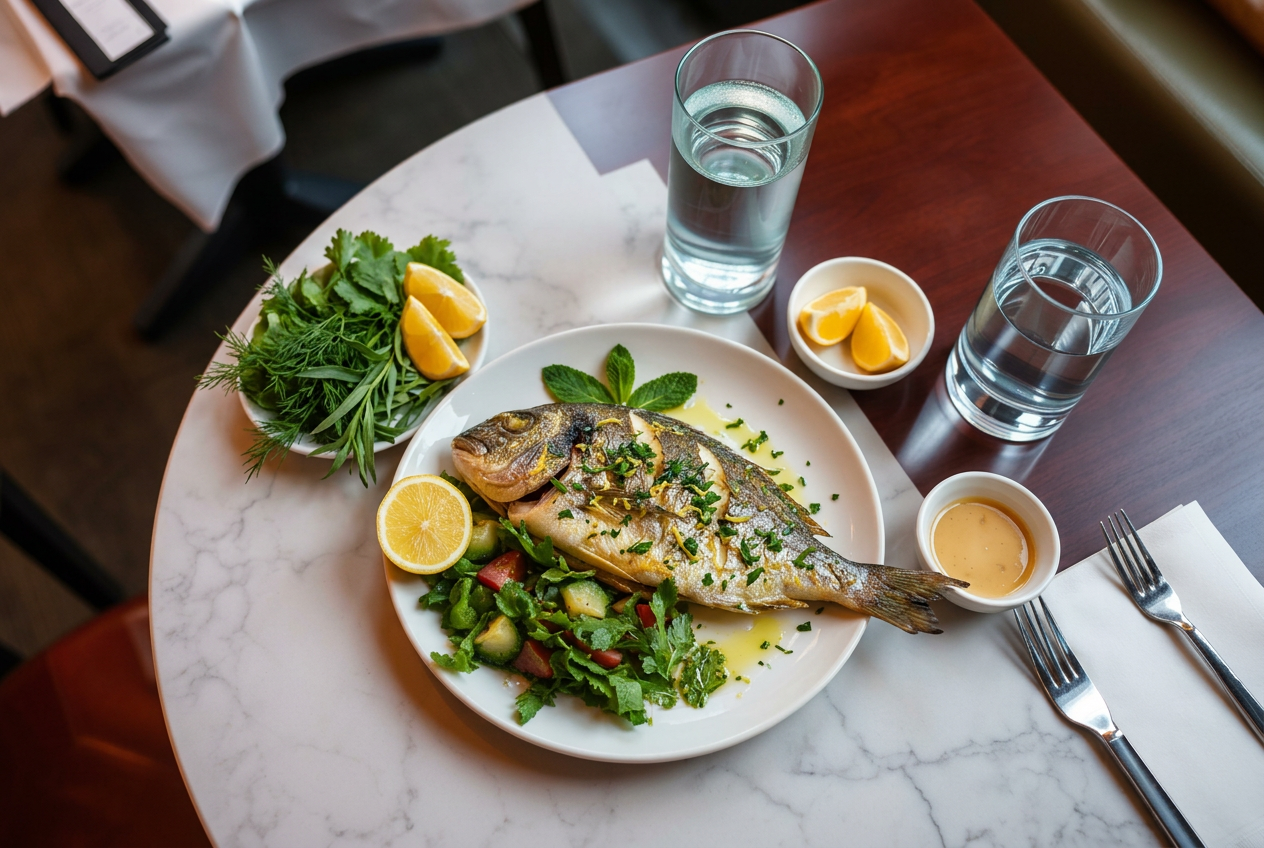
Restaurant meals are consistently one of the biggest sources of sodium in a typical diet, and it's not really your fault — kitchens season aggressively because salt is cheap, forgiving, and makes food taste consistent from table to table. That doesn't mean dining out is off-limits. It means going in with a plan.
This guide covers what to do before you leave the house, what to say once you're at the table, and which menu categories tend to be safer or riskier by cuisine. If you haven't yet, it's worth reading our guide to hidden sources of sodium first, since many of the worst offenders at restaurants — sauces, cured meats, broths — aren't obvious from the menu description alone.
Before you go: check the menu and nutrition info
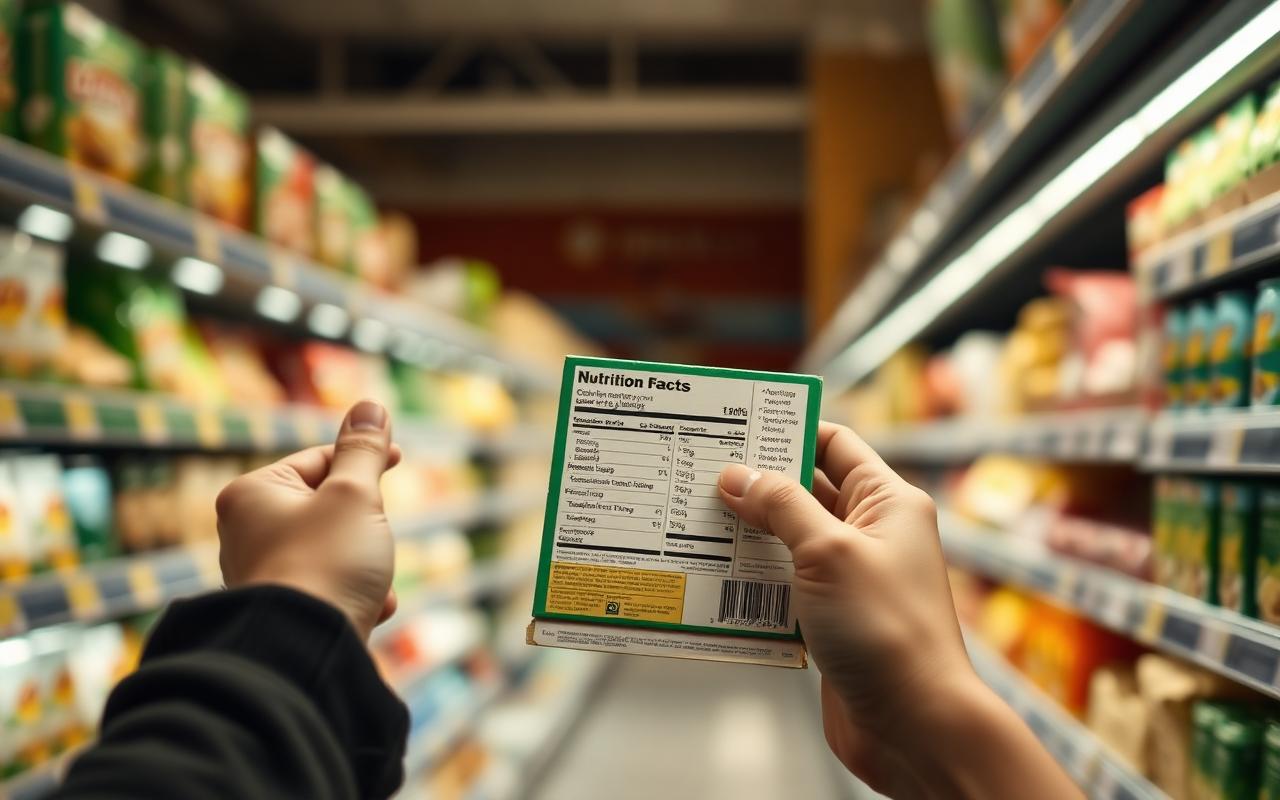
Most chains and many independent restaurants post nutrition information online, and it's worth five minutes of scanning before you arrive.
- Look up the sodium counts for a few likely orders. Chain restaurant nutrition PDFs often reveal surprises — a "healthy-sounding" salad with dressing and toppings can top 1,500 mg on its own.
- Decide on your order in advance. It's much easier to stick to a plan than to negotiate with a menu (and your hunger) at the table.
- Check if the restaurant takes modification requests well. Reviews sometimes mention how accommodating a kitchen is with substitutions.
Choosing the restaurant type
Some restaurant formats are naturally easier to navigate than others.
- Easier: Places built around grilling, roasting, or made-to-order bowls (steakhouses, Mediterranean grill counters, poke or burrito bowl concepts) let you see and control what goes on your plate.
- Harder: Soup-and-sandwich shops, delis, and fast food tend to rely on cured meats, canned soups, and pre-made sauces that are hard to separate from the dish.
- Mixed: Full-service casual restaurants can go either way — a grilled fish entree might be fine, while the bread basket and soup of the day undo the good work.
What to say to restaurant staff
A few simple, direct phrases go a long way, and most servers have heard them before:
- "Could I get that with no added salt, please?"
- "Can I have the sauce or dressing on the side?"
- "Is this dish brined, cured, or marinated before cooking?"
- "Is it cooked in broth or stock? Do you know if that's salted?"
- "Could I swap the fries or chips for a plain vegetable or side salad?"
Staff can't always answer detailed preparation questions off the top of their head, but asking signals that you're serious, and many kitchens are willing to leave salt out of a dish cooked to order.
Questions about preparation
The cooking method often matters more than the ingredient itself. Ask about:
- Brining or curing — common with pork, poultry, and some seafood, and it adds significant sodium before the dish even reaches the pan.
- Marinades — often soy-, teriyaki-, or salt-brine based.
- Seasoned salt blends — many kitchens use a pre-mixed seasoning salt on everything from fries to grilled chicken instead of seasoning individually.
- Broth-cooked items — rice, beans, and braised dishes are frequently cooked directly in salted stock.
Safer and riskier categories by cuisine
| Cuisine | Safer picks | Riskier picks |
|---|---|---|
| Italian | Grilled fish or chicken, simple olive oil pasta, side of vegetables | Cured meats, pizza, dishes with heavy cheese or cream sauce |
| Mexican | Fajitas (ask for no seasoned salt), grilled meat, fresh salsa, guacamole | Queso, refried beans (often lard and salt heavy), tortilla chips |
| Chinese / Thai | Steamed dishes with sauce on the side, fresh spring rolls | Soy-based stir-fries, soups, anything "in black bean sauce" or curry paste-based |
| Japanese | Sashimi, plain grilled fish, edamame (ask for no salt) | Soy sauce, miso soup, teriyaki, tempura with dipping sauce |
| Indian | Tandoori-style grilled items, dal (ask about salt), plain rice | Curries with heavy cream/butter bases, pickles, papadum |
| American diner | Eggs, plain grilled items, fresh fruit | Bacon, sausage, hash browns (often seasoned), gravy |
| Steakhouse | Plain grilled steak, baked potato, steamed vegetables | Seasoned butter, blue cheese toppings, creamed spinach |
| Breakfast spots | Oatmeal, fresh fruit, eggs cooked plain | Breakfast meats, hollandaise, pre-made pancake/waffle mixes |
Bread, appetizers, and portions
The bread basket and shared starters are an easy place to overspend your sodium budget before the entree even arrives. A few strategies:
- Ask the server to skip the bread basket, or take one piece and move the rest out of reach.
- Choose a fresh, simply dressed appetizer (like a salad with dressing on the side) over fried or cured starters.
- Share an entree or ask for a to-go box at the start of the meal to naturally manage portions — sodium and calories tend to scale with serving size.
Alcohol and drinks
Alcohol itself is low in sodium, but bar snacks and mixers often aren't. Bloody marys, some tonic waters, and salted-rim cocktails can add sodium you wouldn't expect from a drink. Sparkling water with citrus is a reliable, sodium-free choice at any restaurant.
Balancing the rest of the day
If you know dinner will be harder to control, aim to keep breakfast and lunch lighter in sodium, similar to how you might plan around a special meal in a 7-day low-sodium meal plan. Leaning on naturally low-sodium foods earlier in the day gives you more room at dinner without feeling like you're constantly restricting.
Quick-reference: order this, skip this
| Order this | Skip this |
|---|---|
| Grilled or roasted protein, sauce on the side | Anything described as "brined," "cured," or "smothered" |
| Steamed or roasted vegetables | Soup as a starter (unless verified low-sodium) |
| Fresh salsa, pico de gallo, guacamole | Queso, gravy, cream sauces |
| Plain rice or potato | Fried rice, seasoned rice pilafs |
| Sparkling water with citrus | Bloody marys, salted-rim cocktails |
| A la carte entrees you can customize | Combo meals with pre-set sides |
For general strategies that carry over from grocery shopping to the dinner table, see our low-sodium grocery shopping guide and easy low-sodium food swaps. And if you have a medical condition or a prescribed sodium restriction, treat this as a general starting point and follow your healthcare professional's specific guidance.
Related Reading
- Hidden Sources of Sodium — the sneaky places sodium hides in restaurant food.
- How to Read Sodium Nutrition Labels — useful when checking restaurant nutrition PDFs.
- Naturally Low-Sodium Foods — build the rest of your day around these.
- 7-Day Low-Sodium Meal Plan — see how a restaurant meal can fit into a full week.