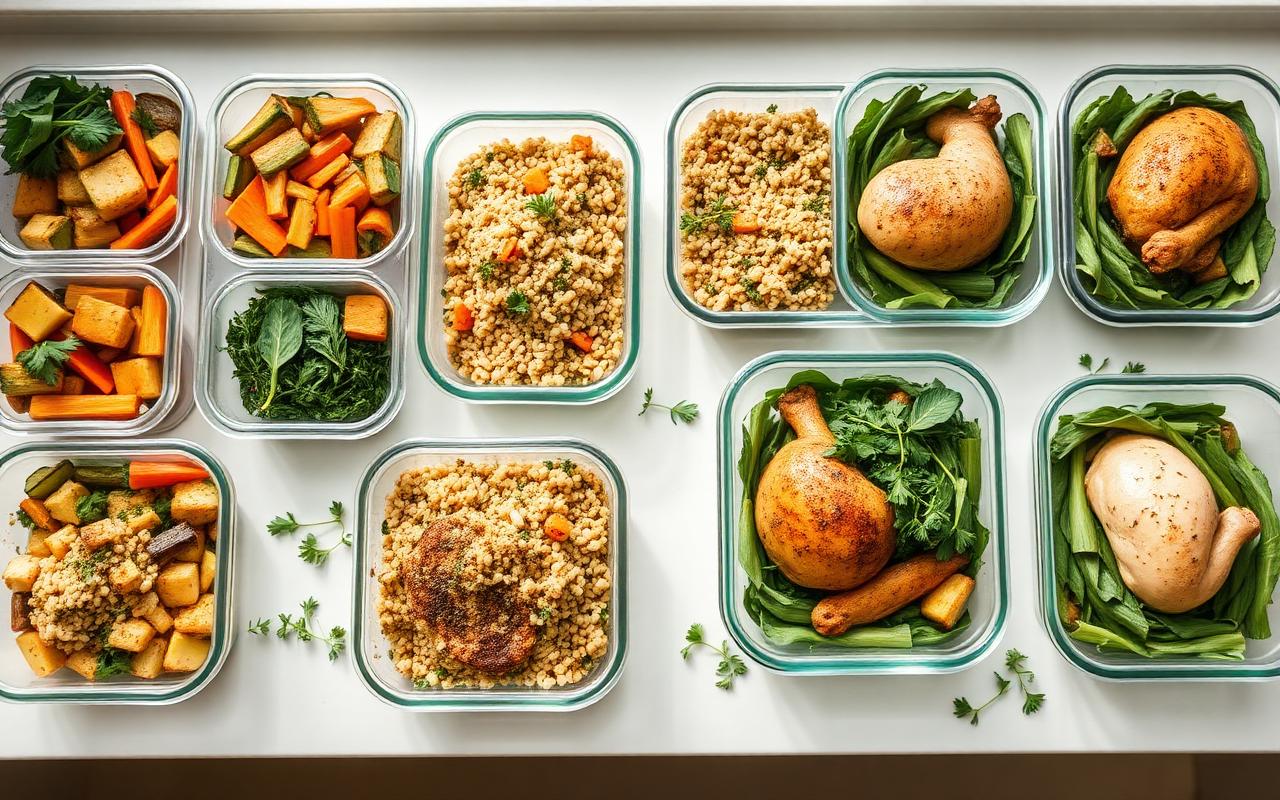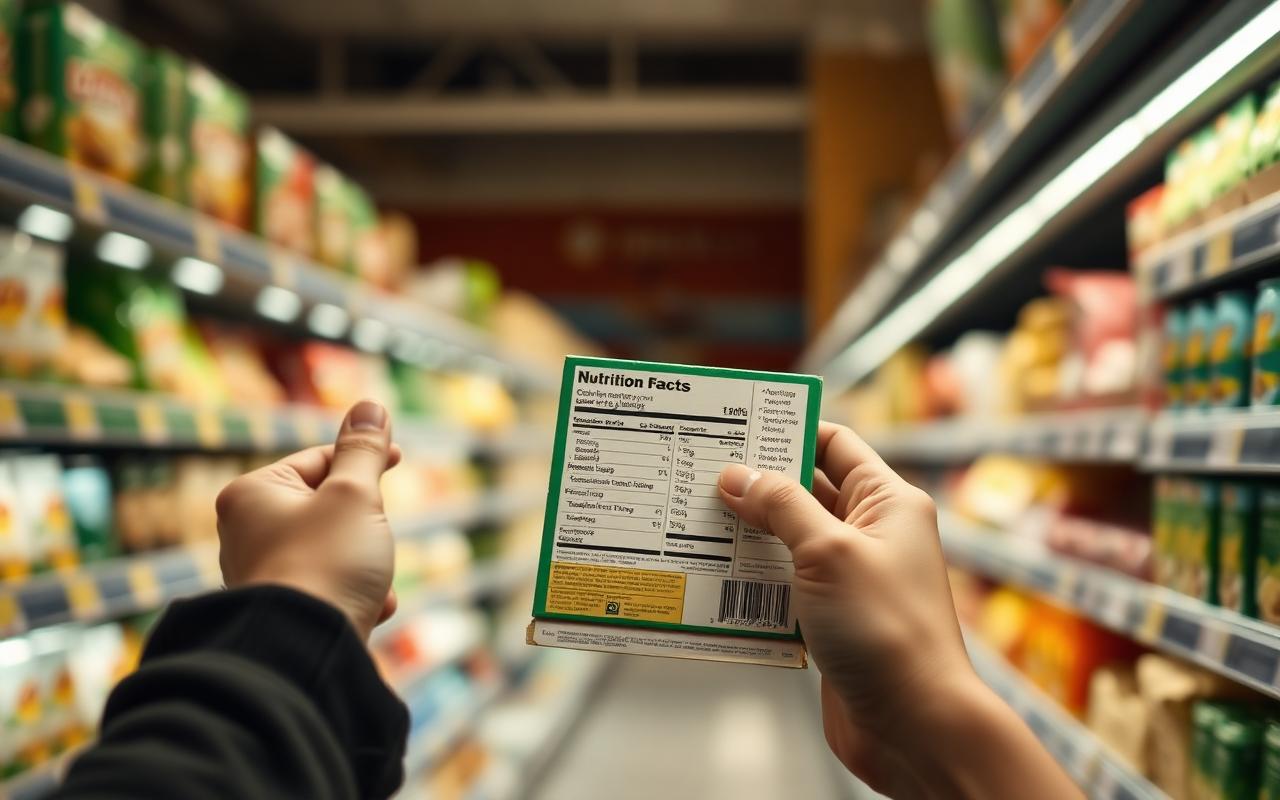
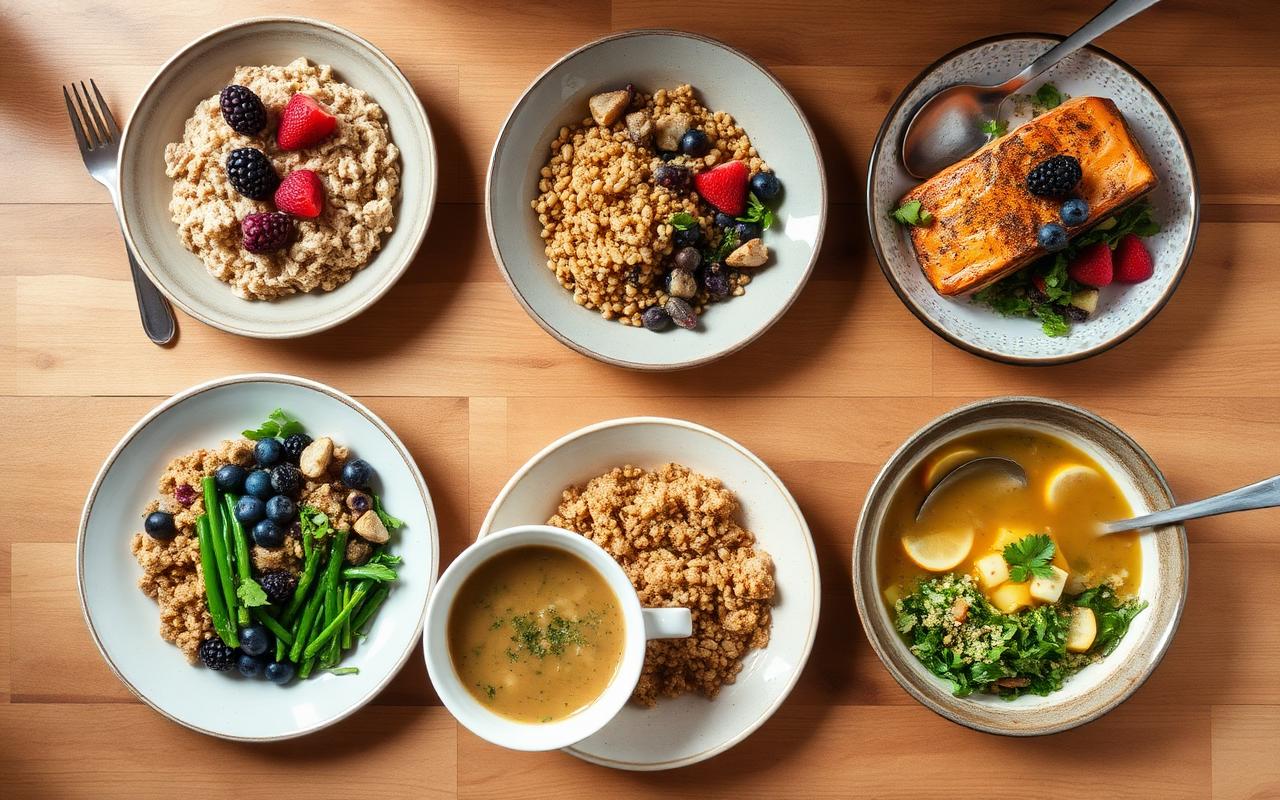
This plan is a template, not a prescription. It's meant to show you how a low-sodium week can look and flow — how leftovers from Monday's dinner become Wednesday's lunch, and how a couple of batch-cooked staples stretch across seven days. Actual sodium totals depend heavily on the specific brands and products you use, so treat any numbers you calculate for yourself as rough estimates, and check labels using our guide on how to read sodium nutrition labels.
If you're just getting oriented, start with low-sodium eating for beginners. If you want the batch-cooking method behind this plan, see low-sodium meal prep for beginners. And if you have a medical condition or a sodium limit set by a doctor or dietitian, follow their specific guidance over any general plan like this one.
The Week
Day 1: Monday
- Breakfast: Oatmeal with sliced banana, cinnamon, and unsalted walnuts.
- Lunch: Big salad with roasted vegetables, chickpeas, and olive oil-lemon dressing.
- Dinner: Lemon herb roast chicken with garlic herb roasted vegetables. Roast extra chicken for later in the week.
- Snack: Apple slices with unsalted peanut butter.
- Prep tip: Roast a double batch of vegetables tonight; you'll use the extra in Tuesday's lunch.
Day 2: Tuesday
- Breakfast: Plain yogurt with berries and a spoonful of unsalted granola.
- Lunch: Leftover roasted vegetables over farro with a squeeze of lemon.
- Dinner: Low-sodium black bean soup with a side salad.
- Snack: Carrot and cucumber sticks with herby yogurt sauce.
- Prep tip: Make a double batch of black bean soup tonight so Thursday's lunch is already done.
Day 3: Wednesday
- Breakfast: Scrambled eggs with sautéed peppers and onions.
- Lunch: Shredded leftover Monday chicken in a wrap with lettuce and yogurt sauce.
- Dinner: Citrus herb white fish with rice and steamed green beans.
- Snack: Unsalted almonds and a piece of fruit.
- Prep tip: Cook extra rice tonight for Thursday's dinner.
Day 4: Thursday
- Breakfast: Whole-grain toast with mashed avocado and a poached egg.
- Lunch: Leftover black bean soup from Tuesday.
- Dinner: Stir-fried vegetables and leftover rice with a fried egg on top, seasoned with all-purpose salt-free seasoning and a splash of low-sodium soy sauce.
- Snack: Sliced bell pepper with hummus.
- Prep tip: Chop extra vegetables tonight for Friday's pasta.
Day 5: Friday
- Breakfast: Smoothie with spinach, frozen berries, banana, and unsweetened milk.
- Lunch: Grain bowl with leftover roasted chicken, farro, and herby yogurt sauce.
- Dinner: Pasta with no-salt-added marinara, sautéed vegetables, and fresh basil.
- Snack: Plain popcorn with a salt-free seasoning blend.
- Prep tip: Make extra marinara; it freezes well for a future week.
Day 6: Saturday
- Breakfast: Whole-grain pancakes with fresh fruit (skip the syrup's saltier cousins like flavored spreads).
- Lunch: Leftover pasta and marinara.
- Dinner: Homemade veggie tacos on corn tortillas with black beans, salsa, and avocado.
- Snack: Orange or grapefruit segments.
- Prep tip: Use today to restock your salt-free spice cabinet for next week.
Day 7: Sunday
- Breakfast: Vegetable and cheese omelet.
- Lunch: Big leftovers plate — clear out whatever remains from the week.
- Dinner: No-salt vegetable stock turned into a simple vegetable soup with whatever's left in the crisper drawer.
- Snack: Unsalted trail mix.
- Prep tip: This is your reset day — use it to plan next week's grocery list and start a new batch of proteins and grains for Monday.
Grocery List
Produce
- Bananas, apples, oranges or grapefruit
- Berries (fresh or frozen)
- Spinach
- Bell peppers
- Carrots, cucumbers
- Green beans
- Avocados
- Onions, garlic
- Lemons
- Mixed salad greens
- Fresh basil
Protein
- Whole chicken or chicken parts
- White fish fillets
- Eggs
- Dried or no-salt-added canned black beans
- Chickpeas
Dairy
- Plain yogurt
- Unsweetened milk
- Cheese for omelets
Pantry
- Rolled oats
- Unsalted granola
- Farro and rice
- Whole-grain bread and corn tortillas
- Pasta
- No-salt-added marinara or canned tomatoes
- Low-sodium soy sauce
- Olive oil
- Unsalted peanut butter
- Unsalted nuts (almonds, walnuts)
- Plain popcorn kernels
Frozen
- Frozen mixed berries
- Frozen vegetables as a backup for fresh
Herbs and Spices
- A salt-free all-purpose blend (see the salt-free spice cabinet guide)
- Cinnamon
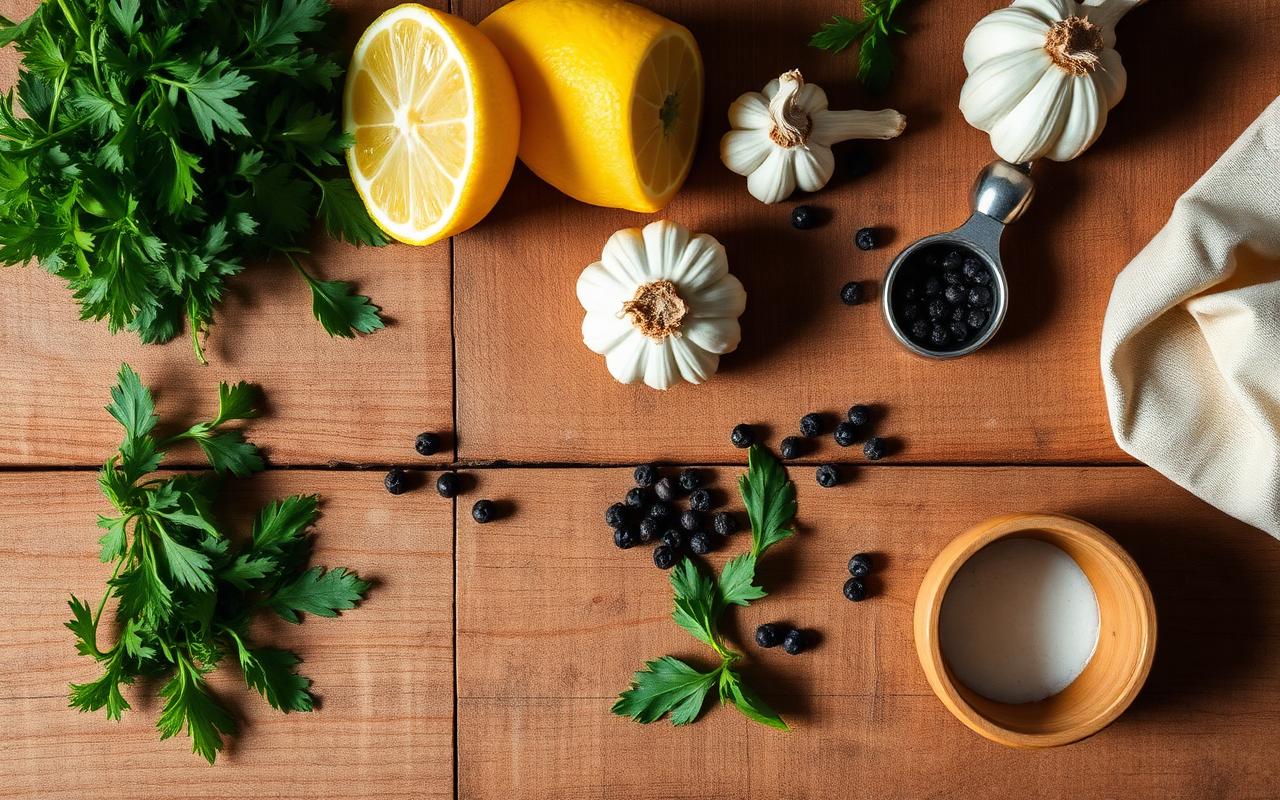
- Black pepper
- Dried oregano, cumin, and paprika
How to Adapt This Plan
- Swap freely within categories. Any grain can replace another, and any lean protein can substitute for the one listed.
- Adjust portions to your household. This plan assumes moderate servings; scale up shopping quantities for larger families.
- Watch for hidden sodium in bread, cheese, and canned goods — see hidden sources of sodium for the biggest culprits.
- Rotate flavors weekly. Swap the lemon-herb theme for a Mexican or Mediterranean one using different blends from your spice cabinet, so the plan doesn't get repetitive.
- Use easy swaps from our easy low-sodium food swaps guide any time a recipe calls for a higher-sodium ingredient you'd rather avoid.
Related Reading
- Low-Sodium Meal Prep for Beginners — the batch-cooking system behind this plan.
- How to Read Sodium Nutrition Labels — check the actual sodium in the brands you buy.
- Naturally Low-Sodium Foods — build your grocery list around these.
- Low-Sodium Grocery Shopping Guide — shop this list with confidence.