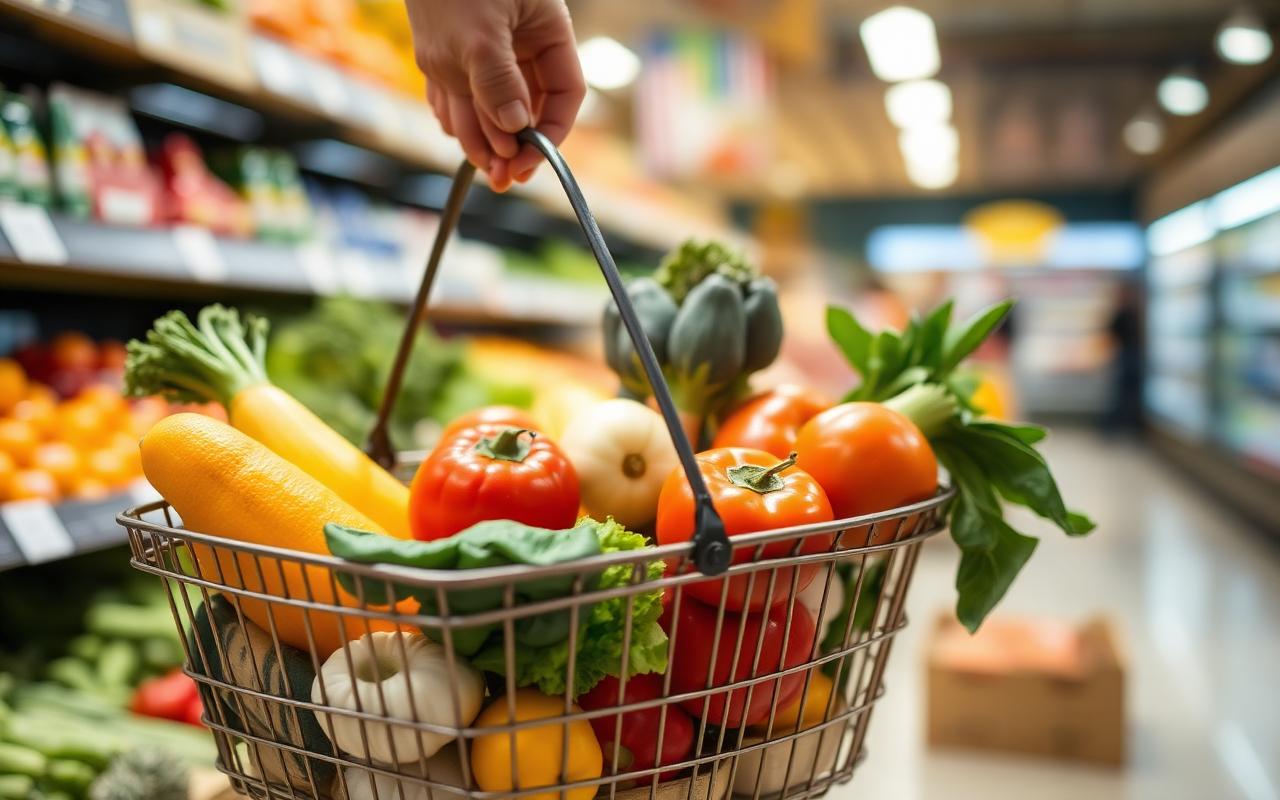
Grocery shopping is where most low-sodium eating is won or lost. You can cook the most careful, herb-forward dinner in the world, but if the chicken broth, deli turkey, and jarred sauce in your cart are all high-sodium, the math won't work out. This guide walks the store the way you actually shop it — aisle by aisle — with what to grab, what to compare, and what to leave on the shelf.
Before you go, it helps to know your target. The Dietary Guidelines for Americans recommend adults limit sodium to less than 2,300 mg per day, while the American Heart Association suggests an ideal limit of 1,500 mg per day for most adults. Treat these as general reference points, not hard rules for your body — sodium needs vary, and if you have a medical condition or a doctor-prescribed limit, follow that guidance first. For a refresher on the numbers themselves, see how to read sodium nutrition labels.
Thinking in a Sodium Budget
Instead of chasing "zero sodium," think of each trip as filling a budget. If your daily target is around 2,300 mg, that's roughly 700 mg per meal if you eat three meals plus snacks. When you're standing in front of two products, ask: does this item take up a small slice of my daily budget or a huge one? A slice of bread at 120 mg is a small slice. A cup of canned soup at 800 mg can eat up more than a third of the day in one bowl.
Produce
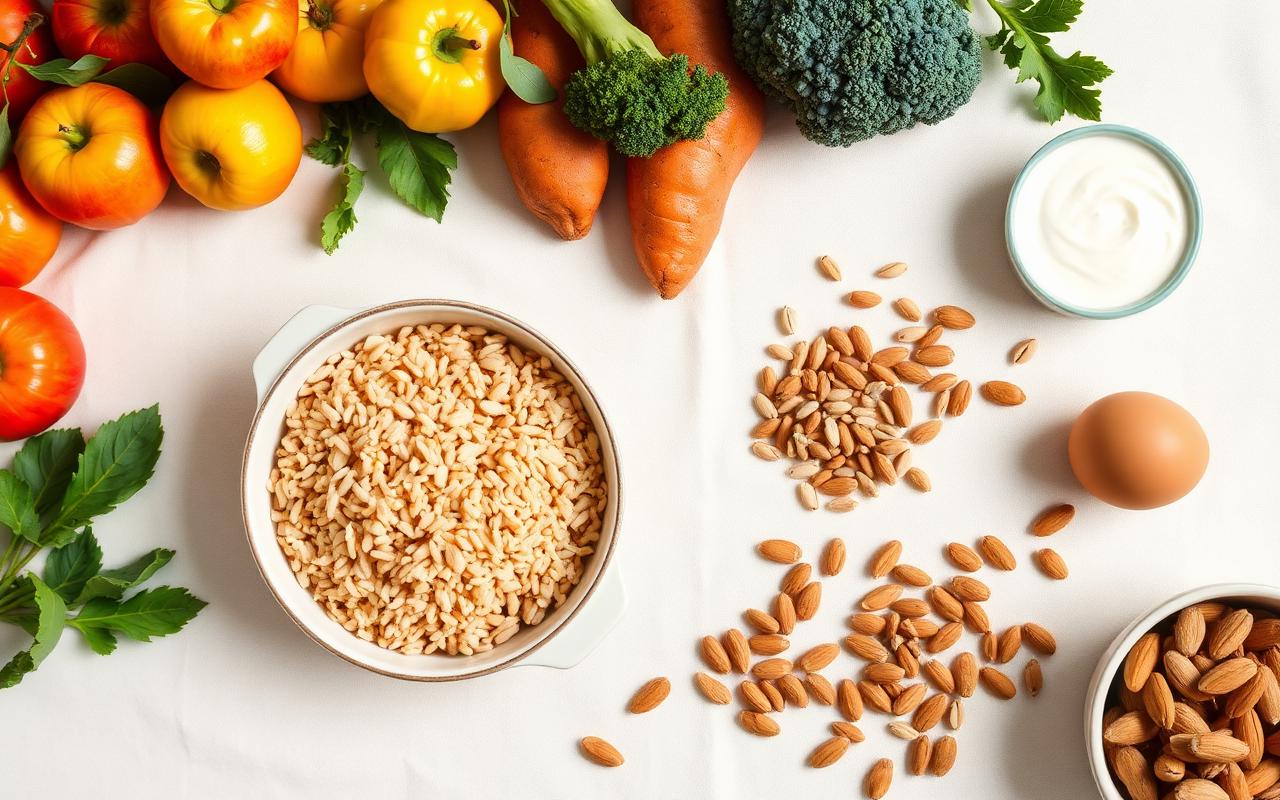
Buy: Fresh and plain frozen fruits and vegetables — these are some of the most reliably naturally low-sodium foods you can put in your cart.
Compare: Bagged salad kits with dressing packets, and pre-seasoned vegetable blends — the produce itself is fine, but the sauce packet often isn't.
Skip: Vegetables canned or packed in brine (like pickled beets or canned green beans) unless labeled "no salt added."
Label phrase to look for: "No salt added" or "unsalted" on frozen and canned produce.
Meat Counter
Buy: Plain, fresh cuts of beef, pork, and chicken.
Compare: Poultry labels closely — many are injected with a sodium solution "for flavor and moisture." This can add several hundred milligrams per serving even though the package still says "fresh chicken breast."
Skip: Pre-marinated, brined, or "flavor injected" meats, and anything labeled "self-basting."
Label phrase to look for: "No solution added" or "not enhanced." Then season it yourself, following ideas from lemon herb roast chicken.
Seafood
Buy: Fresh or plain frozen fish and shellfish.
Compare: Smoked, cured, or "seasoned" fish fillets, which can carry significantly more sodium than plain versions of the same fish.
Skip: Canned fish packed in brine unless it's labeled "no salt added" or "low sodium," and imitation crab, which is often high in sodium.
Label phrase to look for: "No salt added" on canned tuna and salmon.
Deli Counter
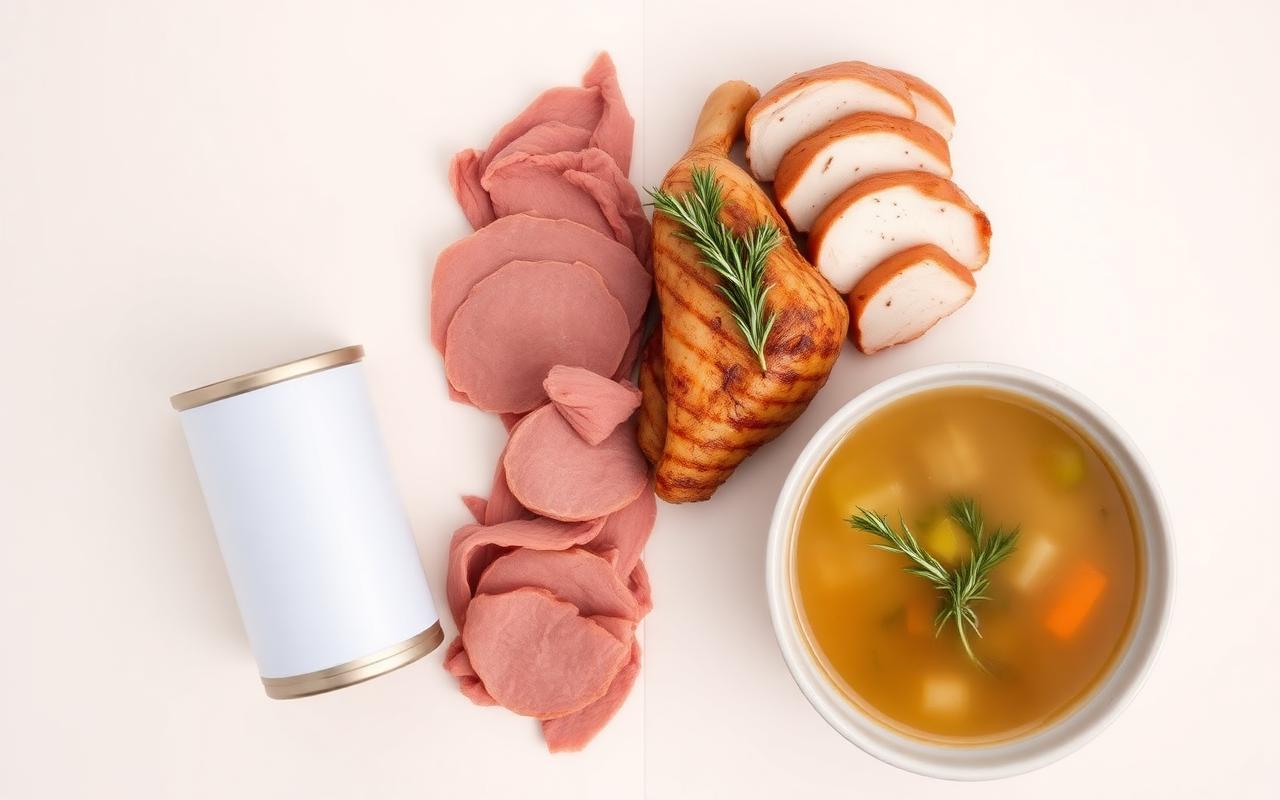
Buy: Freshly roasted, unsalted turkey or chicken breast if your deli offers it, or better yet, a whole roasted bird you slice yourself.
Compare: Almost every packaged deli meat against each other — sodium can range widely between brands of the same cut.
Skip: Traditional deli ham, salami, and pastrami, which are cured and among the highest-sodium items in the store per ounce.
Label phrase to look for: "Lower sodium" or "reduced sodium," though even these can still be relatively high — compare the milligrams per serving, not just the claim.
Dairy
Buy: Plain milk, plain yogurt, fresh mozzarella, ricotta, and Swiss cheese, which tend to run lower in sodium than other cheeses.
Compare: Cottage cheese, which many people assume is a light, healthy choice but can be high in sodium — check the label before you toss it in the cart out of habit.
Skip: Processed cheese slices and spreads, which are usually near the top of the dairy case for sodium.
Label phrase to look for: "Low sodium" cheese options, now available from several major brands.
Bakery and Bread
Buy: Breads with 100–150 mg of sodium per slice, which is a reasonable range for most standard loaves.
Compare: Slice by slice — sodium in bread varies more than people expect, and specialty or flavored breads (like ones with cheese or olives baked in) tend to run higher.
Skip: Nothing outright here, but be mindful that bread is a "stealth" source of sodium simply because people eat so much of it — see hidden sources of sodium for more.
Label phrase to look for: Compare the "% Daily Value" for sodium per slice across brands sitting next to each other on the shelf.
Canned Goods
Buy: No-salt-added canned tomatoes, beans, and corn — a pantry cornerstone for dishes like no-salt-added marinara and low-sodium black bean soup.
Compare: Canned soups and broths, where sodium can vary from under 150 mg to over 900 mg per cup between brands.
Skip: Regular canned soups, broths, and vegetables unless you plan to rinse them thoroughly (rinsing canned beans can reduce sodium meaningfully, but it's not a full fix for soup).
Label phrase to look for: "No salt added," "low sodium," or "unsalted."
Dry Goods and Grains
Buy: Plain rice, oats, quinoa, barley, dried beans, and plain pasta — all naturally low in sodium.
Compare: Flavored rice, pasta, and stuffing mixes, which almost always include a seasoning packet loaded with salt or bouillon.
Skip: "Instant" flavored grain sides as a category — make your own seasoning blend instead, like the one in best salt-free seasonings.
Label phrase to look for: A short ingredient list without "salt" in the first five ingredients.
Frozen Foods
Buy: Plain frozen vegetables, fruits, and unseasoned frozen fish or chicken.
Compare: Frozen meals and entrees, where sodium can range from 400 mg to well over 1,000 mg per meal.
Skip: Frozen pizza, breaded frozen proteins, and pre-sauced frozen vegetable blends.
Label phrase to look for: "No sauce added" or a plain ingredient list on frozen vegetables.
Sauces and Condiments
Buy: Vinegars, oil-based dressings you make yourself, and condiments in small quantities where you control the portion.
Compare: Soy sauce, teriyaki, barbecue sauce, ketchup, and salad dressings, all of which vary widely by brand and often carry more sodium per tablespoon than people expect.
Skip: Bottled marinades and "instant" sauce packets.
Label phrase to look for: "Low sodium" soy sauce, which can cut sodium by roughly 40–50% compared to regular versions (check the specific label, since formulas differ).
Snacks
Buy: Unsalted nuts, plain popcorn, fresh fruit, and unsalted rice cakes.
Compare: Chips, crackers, and pretzels — sodium can vary a lot even within the same brand's product line.
Skip: Anything labeled "salted" when an "unsalted" version of the same product exists right next to it.
Label phrase to look for: "Unsalted" or "no salt added," and see low-sodium snack ideas for more direction.
Spices and Seasonings
Buy: Single-ingredient dried herbs and spices, garlic powder, onion powder, and salt-free blends.
Compare: Seasoning blends carefully — "garlic salt," "onion salt," "seasoned salt," and most steak seasonings list salt as a primary ingredient.
Skip: Bouillon cubes and packets, which are typically very high in sodium per serving.
Label phrase to look for: "Salt-free" on the front label, confirmed by checking that salt isn't listed in the ingredients.
Beverages
Buy: Water, sparkling water, coffee, and tea.
Compare: Vegetable juices and sports drinks, some of which contain meaningful sodium.
Skip: Nothing dramatic here, but don't assume all drinks are sodium-free — check labels on flavored and electrolyte beverages.
Printable Checklist
Use this as a quick scan before checkout:
- Fresh or plain frozen produce, no sauce packets
- Fresh meat and poultry labeled "no solution added"
- Fresh or plain frozen fish, not smoked or breaded
- Roasted deli meat or homemade, not cured deli meat
- Plain dairy; cottage cheese label double-checked
- Bread compared slice-for-slice, mid-range sodium chosen
- No-salt-added canned tomatoes and beans
- Plain grains, no flavored rice or pasta mixes
- Plain frozen vegetables and proteins, no frozen entrees
- Vinegar, oil, and low-sodium condiments only
- Unsalted nuts, plain popcorn, unsalted snacks
- Salt-free spice blends, no bouillon cubes
- Plain water, coffee, tea over sodium-containing drinks
Bring this list with you a few times and the pattern becomes automatic — you'll start reaching for the right shelf without needing to check every time. For a deeper dive into turning this cart into actual dinners, see 7-day low-sodium meal plan and low-sodium meal prep.
Related Reading
- 30 Naturally Low-Sodium Foods for Your Grocery List — the specific items worth building your cart around.
- Easy Low-Sodium Food Swaps — quick trades for common high-sodium staples.
- Hidden Sources of Sodium — where sodium hides in foods that don't taste salty.
- Low-Sodium Eating for Beginners — start here if you're new to the whole approach.