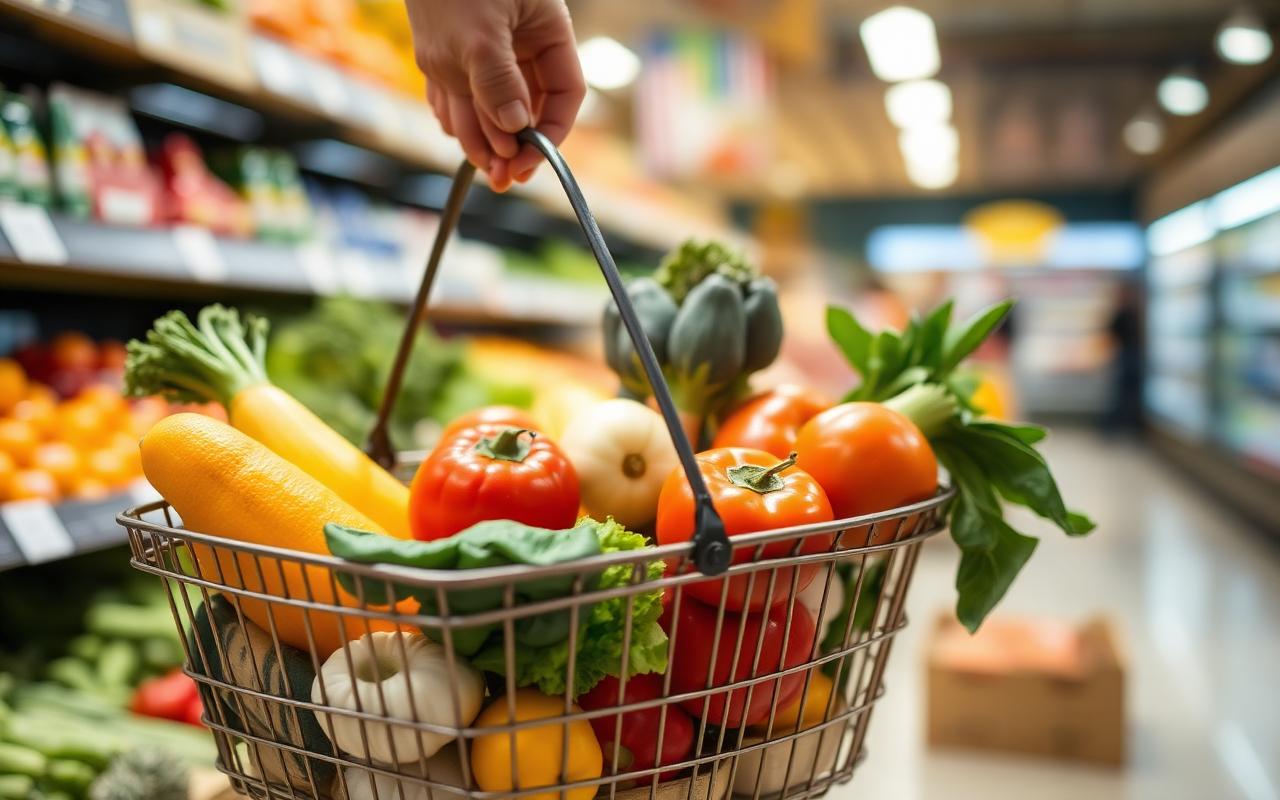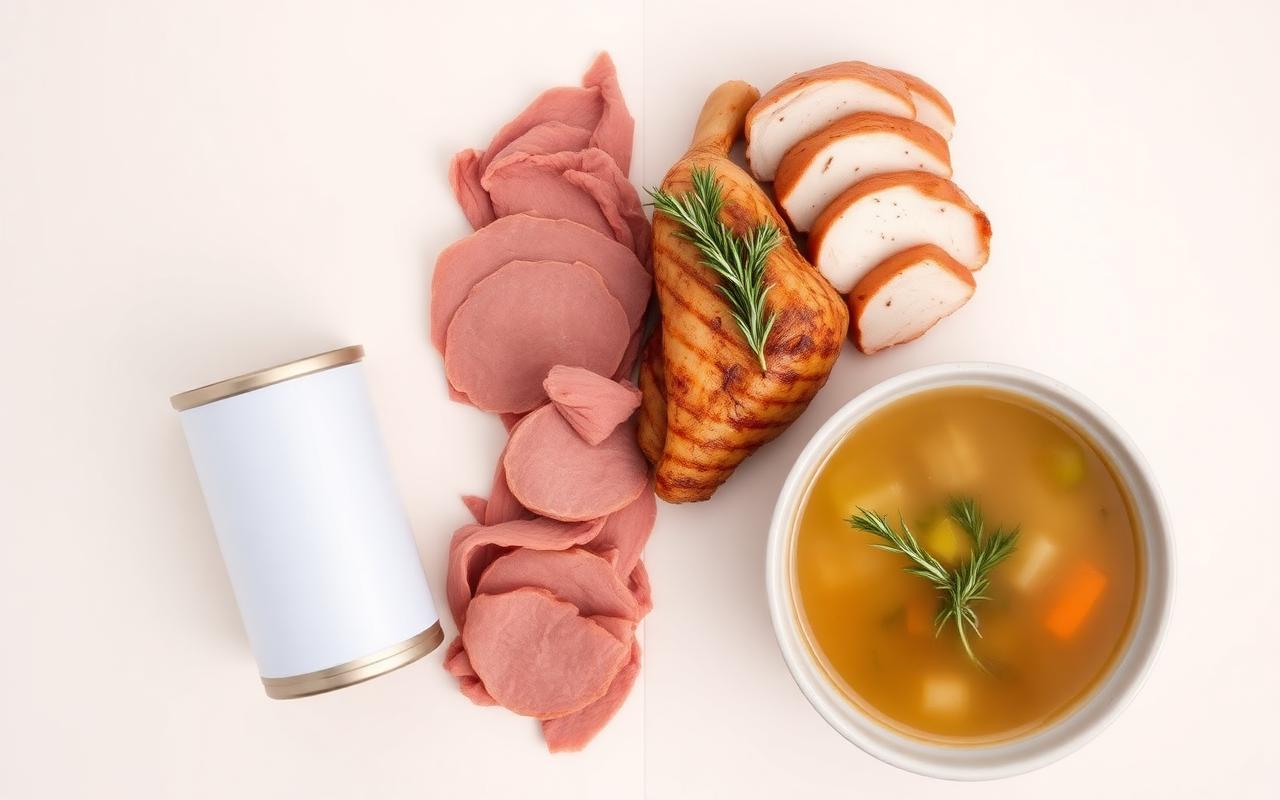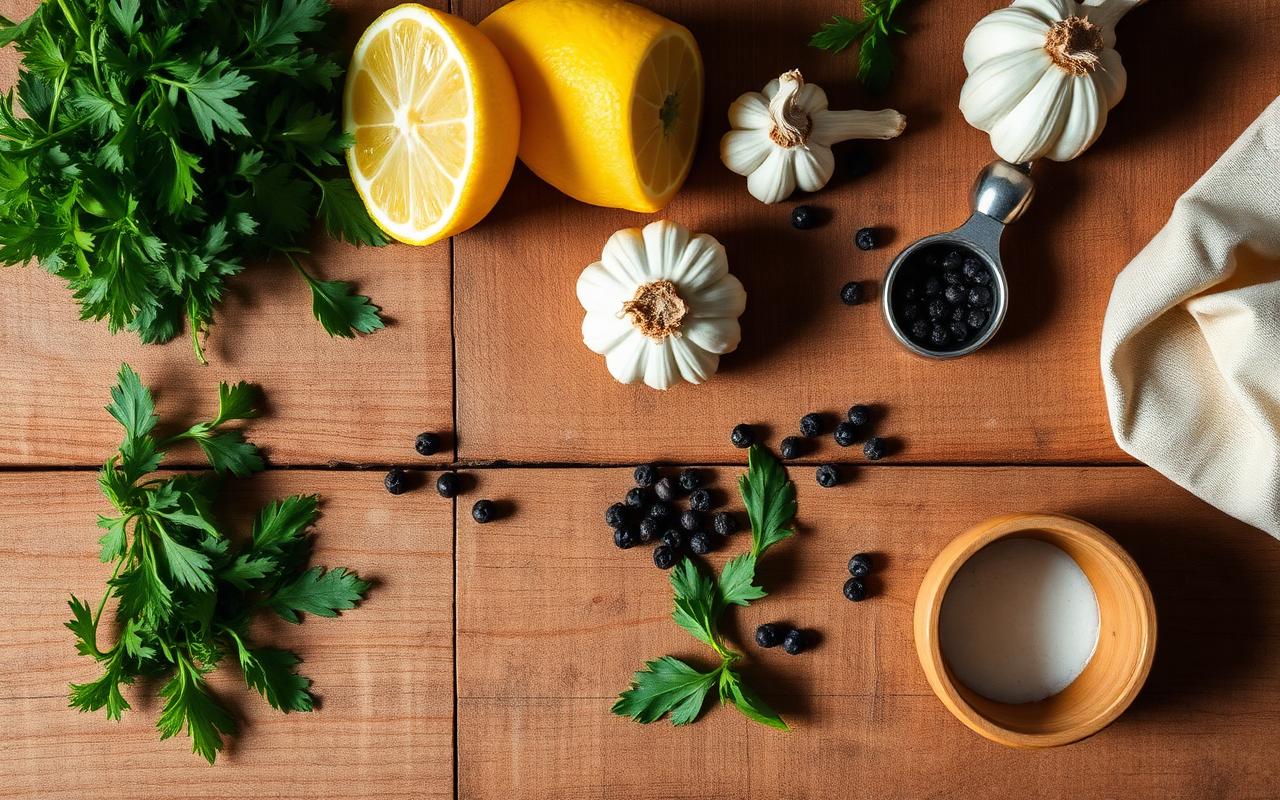
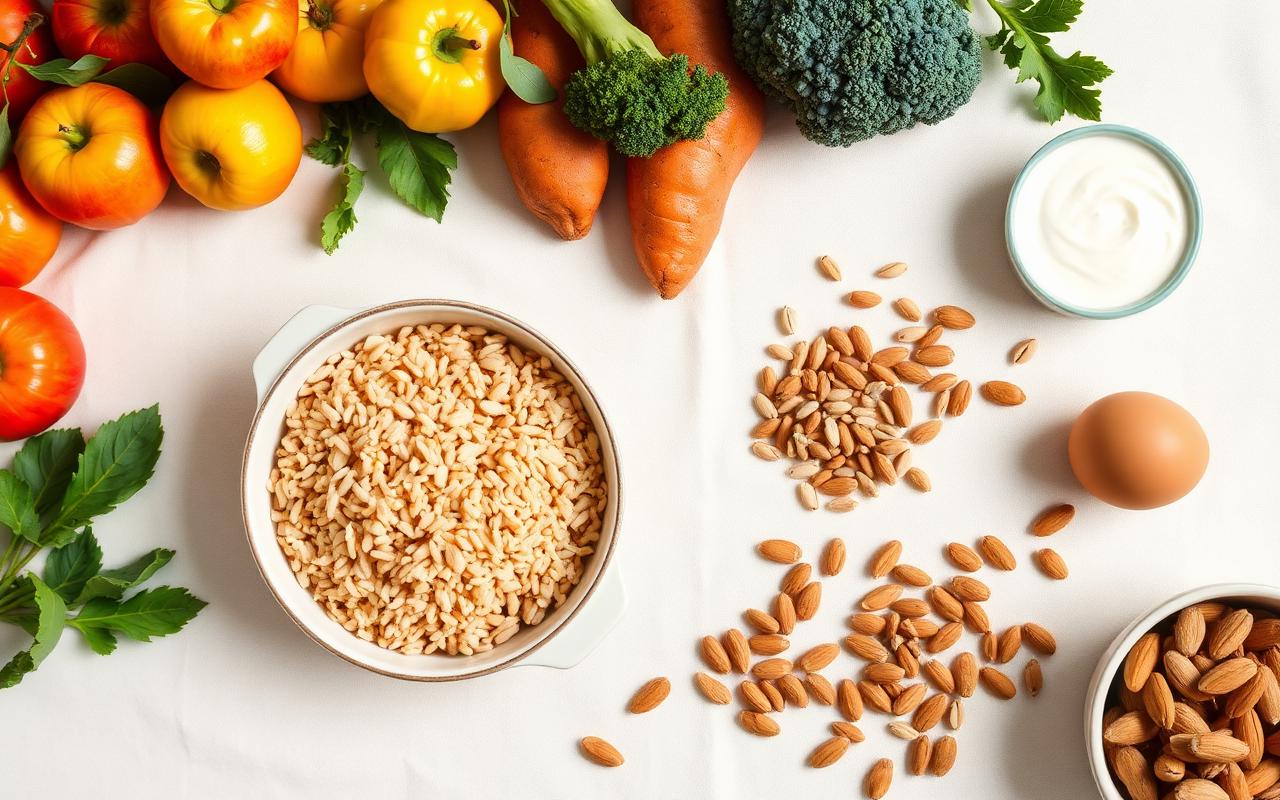
Some foods start out low in sodium the moment they're grown, caught, or picked. The trouble is that many of them don't stay that way by the time they reach your cart — brining, curing, canning, and seasoning can turn a naturally low-sodium ingredient into a sodium bomb. This list covers 30 foods that are low in sodium in their whole, unprocessed form, with a note on where things can go sideways.
If you're just starting to pay attention to sodium, pairing this list with our beginner's guide to low-sodium eating and a primer on reading nutrition labels will help you shop with confidence instead of guesswork. Remember that exact sodium counts vary by brand, growing conditions, and portion size — always check the label on the specific product in front of you. And if you're managing a medical condition or a doctor-prescribed sodium limit, follow your healthcare professional's guidance over any general list like this one.
Fresh Fruits
- Apples — Naturally sodium-free and a good source of fiber. Slice them into a salad or eat with unsalted almond butter for a snack.
- Bananas — Virtually no sodium and high in potassium, which helps balance sodium's effects on the body. Great blended into a smoothie with unsweetened milk.
- Berries (blueberries, strawberries, raspberries) — Fresh or frozen without syrup, berries have almost no sodium. Toss them into oatmeal or a spinach salad.
- Oranges and citrus — Sodium-free and packed with bright acidity that can stand in for salt's punch. Use the zest and juice to season fish or vegetables, as in citrus herb white fish.
- Melon (watermelon, cantaloupe) — Almost entirely water and naturally sodium-free. Cube it for a refreshing side at a barbecue instead of chips.
Fresh and Frozen Vegetables
- Broccoli — Low in sodium whether fresh or plain frozen. Roast it with garlic and olive oil, similar to garlic herb roasted vegetables.
- Bell peppers — Naturally sweet and sodium-free, so they need very little seasoning to shine. Add raw to salads or char them for a smoky side.
- Zucchini and summer squash — Mild and low-sodium, they take on whatever flavor you cook them with. Try spiralizing as a pasta substitute.
- Sweet potatoes — Naturally low in sodium with a built-in sweetness that reduces the need for added salt. Roast with cinnamon or smoked paprika.
- Frozen mixed vegetables (plain, no sauce) — A convenient way to get low-sodium vegetables year-round, but check the bag: sauced or "seasoned" varieties can add hundreds of milligrams per serving.
Whole Grains
- Plain rolled oats — Naturally sodium-free in their plain form. Flavored instant packets are not — they can carry noticeable sodium from added salt.
- Brown rice — Sodium-free on its own; sodium creeps in with boxed flavored rice mixes and bouillon. Cook a big batch and use it across the week in meal prep.
- Quinoa — A naturally low-sodium whole grain with a complete protein profile. Toss with lemon, herbs, and roasted vegetables for a simple grain bowl.
- Barley — Low in sodium and hearty enough to bulk up soups without needing a salty broth base.
- Popcorn (air-popped, unsalted) — Whole grain and naturally low in sodium before anyone reaches for the shaker. See our snack ideas for topping suggestions that don't rely on salt.
Proteins
- Fresh, unbrined chicken and turkey — Naturally low in sodium, but check the label: many store-bought poultry products are injected with a saline solution "for flavor," which can add 300–450 mg of sodium per serving. Look for labels that say "no solution added." Try it in lemon herb roast chicken.
- Fresh fish (salmon, cod, tilapia) — Naturally low in sodium; smoked, cured, or breaded fish is not. Bake or grill fresh fillets with herbs and citrus.
- Eggs — Naturally low in sodium in their plain form. One large egg has minimal sodium unless it's cooked with cured meats or salty cheese.
- Dried beans and lentils — Naturally sodium-free before cooking; canned versions can carry significant sodium unless labeled "no salt added." Simmer dried beans from scratch, as in low-sodium black bean soup.
- Unsalted raw nuts — Naturally low in sodium; roasted and salted versions of the same nut can have very different numbers. Buy raw or "unsalted roasted" and season yourself with salt-free seasoning blends.
Dairy and Dairy Alternatives
- Plain milk (dairy or unsweetened plant-based) — Naturally low in sodium and a good base for smoothies and sauces like herby yogurt sauce.
- Plain yogurt — Low in sodium in its unflavored form; some flavored and low-fat varieties add more than you'd expect, so compare labels.
- Fresh mozzarella and ricotta — Among the lower-sodium cheeses compared to aged or processed varieties. Cottage cheese is the classic trap here — it's often assumed to be a "diet food" but can be surprisingly high in sodium, so check the label carefully.
- Unsweetened almond or oat milk — Naturally low in sodium; read labels since some brands fortify with sodium-containing additives.
Snacks
- Plain rice cakes — Low in sodium in their unsalted form; lightly salted versions can nearly double the sodium per cake.
- Fresh vegetable sticks (carrots, celery, cucumber) — Naturally sodium-free and satisfying with a low-sodium dip like hummus made from scratch.
- Air-popped popcorn (see above) pairs well here too, along with roasted chickpeas you season yourself.
Herbs and Aromatics
- Fresh garlic and onion — Naturally sodium-free and foundational to flavor-building; garlic powder and onion powder (not "garlic salt" or "onion salt") keep that advantage in dried form. Learn more in fresh herbs for low-sodium cooking.
- Fresh herbs (basil, cilantro, parsley, rosemary, thyme) — Sodium-free flavor powerhouses that can replace much of the salt in a recipe. Explore ideas in add flavor without salt.
Pantry Staples
- No-salt-added canned tomatoes, unseasoned vinegars, olive oil, and unsalted nut butter — These pantry basics are naturally low in sodium and versatile: canned tomatoes become the base of no-salt-added marinara, vinegar and oil dress a salad without a shaker in sight, and unsalted peanut or almond butter makes a sodium-friendly spread or sauce base.
Shop the List, Then Check the Label
Naturally low-sodium foods are the easiest place to build a meal plan around, but "natural" doesn't guarantee "unprocessed" once it's on a store shelf. A rotisserie chicken, a bag of salted nuts, or a container of cottage cheese can all quietly break the pattern. Get in the habit of flipping the package over — our guide on hidden sources of sodium walks through the sneakiest offenders.
Related Reading
- How to Read Sodium on Nutrition Labels — decode the numbers before they end up in your cart.
- The Ultimate Low-Sodium Grocery Shopping Guide — an aisle-by-aisle walkthrough of the whole store.
- Easy Low-Sodium Food Swaps — trade high-sodium staples for better-for-you versions.
- Hidden Sources of Sodium — where sodium sneaks in even when a food seems healthy.