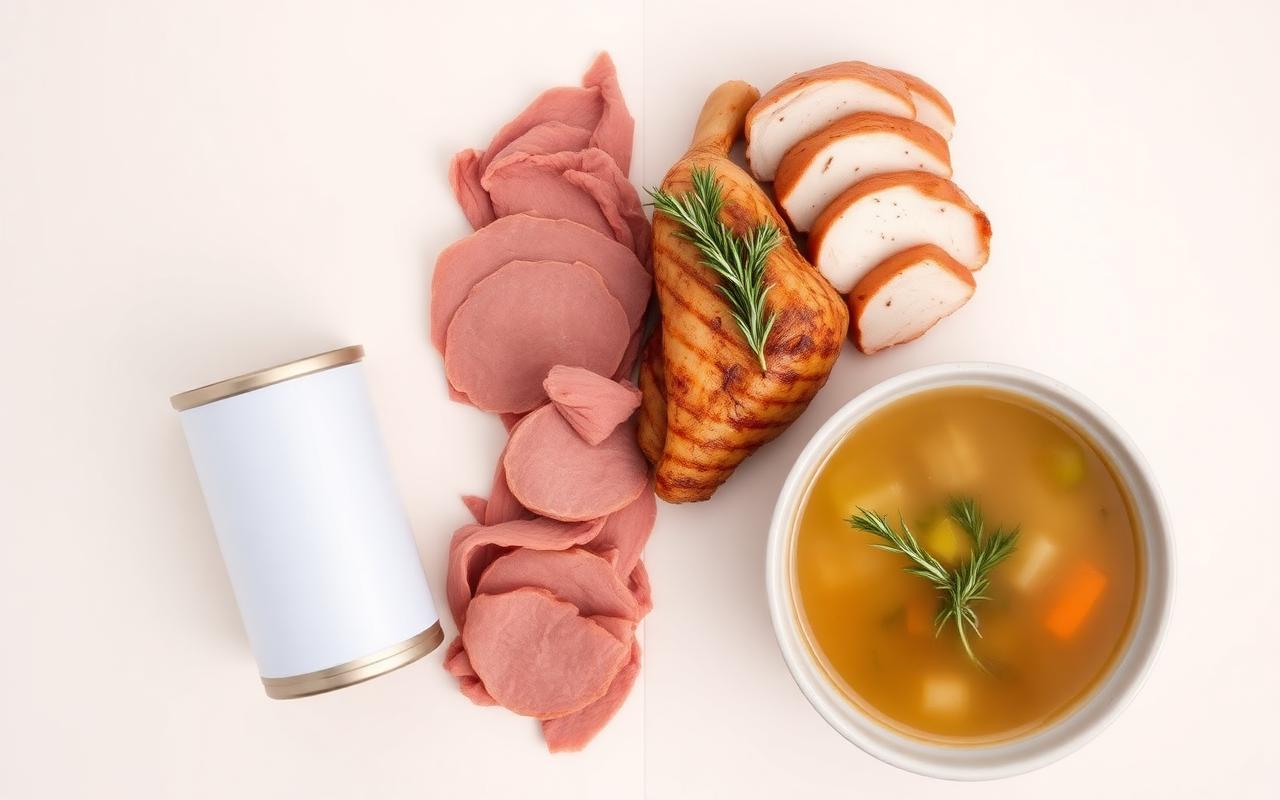
You don't have to overhaul your whole pantry to bring your sodium intake down — you just have to know which swaps actually move the needle. Some substitutions save you 20 mg here and there; others can cut hundreds of milligrams from a single meal. This list starts broad, then zooms in on the eight swaps worth prioritizing first.
A quick note before the list: every number here is an estimate. Sodium content varies significantly by brand, recipe, and portion size, so always check the specific label on the product in your hand rather than relying on a general figure. And if you're following a sodium limit set by a doctor or dietitian for a medical condition, treat their guidance as the final word over anything in this article.
The Swap List
| Higher-sodium food | Swap | Why it works |
|---|---|---|
| Regular deli ham or salami | Roasted chicken or turkey breast, homemade or unsalted | Cured deli meats are salted as part of preservation; roasted poultry isn't |
| Canned soup | Homemade soup with no-salt-added stock | You control every ingredient that goes in, including how much salt |
| Regular sliced bread | Lower-sodium bread, compared by label | Sodium per slice varies widely even among similar-looking loaves |
| Aged or processed cheese | Fresh mozzarella, ricotta, or Swiss | These cheeses are typically lower in sodium per ounce |
| Ketchup and steak sauce | Fresh salsa or herby yogurt sauce | Bottled condiments often use salt as a flavor shortcut |
| Regular canned beans | No-salt-added canned beans, rinsed | Removes most of the added sodium from processing and canning liquid |
| Regular canned vegetables | Plain frozen or fresh vegetables | Freezing preserves vegetables without needing a salty brine |
| Salted pretzels or chips | Unsalted popcorn or unsalted nuts | Removes the salt coating that makes up a big share of the sodium |
| Bouillon cubes | Homemade or no-salt-added stock | Bouillon is often one of the saltiest items per teaspoon in the pantry |
| Soy sauce | Low-sodium soy sauce or rice vinegar with garlic | Cuts sodium meaningfully while keeping umami depth |
| Regular table salt in recipes | Salt-free seasoning blends | Built from herbs and spices instead of sodium chloride |
| Seasoned rice or pasta mixes | Plain rice or pasta plus your own herbs | Seasoning packets are where most of the sodium hides |
| Salted butter | Unsalted butter | Lets you control salt separately in a recipe |
| Regular pickles | Fresh cucumber with vinegar and dill | Skips the brining process entirely |
| Instant oatmeal packets | Plain rolled oats with fresh fruit | Flavored packets often include added salt along with sugar |
| Frozen breaded proteins | Plain frozen or fresh chicken, fish, or tofu | Breading and pre-seasoning both add sodium |
| Regular marinara sauce | No-salt-added marinara | Jarred sauces frequently use salt as a preservative and flavor base |
| Teriyaki or barbecue sauce | Citrus, vinegar, and a touch of honey | Builds sweet-tangy flavor without a sodium-heavy base |
| Salted roasted nuts | Raw or unsalted roasted nuts | The roasting process doesn't require added salt |
| Cottage cheese | Plain Greek yogurt or lower-sodium cottage cheese, label-checked | Cottage cheese is often surprisingly high in sodium despite its "light" reputation |
The Eight Swaps Worth Prioritizing
If you only make a handful of changes, start here — these are the categories where the sodium difference between the typical product and its swap tends to be largest.
Deli Meat
A couple of ounces of cured deli meat can carry several hundred milligrams of sodium, largely from the curing and preservation process. Swapping in freshly roasted turkey or chicken breast — either from a rotisserie bird or roasted at home, like in lemon herb roast chicken — keeps the protein and cuts a meaningful chunk of sodium from your sandwich. If you still want deli-style convenience, look for "lower sodium" roasted turkey and compare the label against your usual brand.
Canned Soup
Canned soup is one of the most concentrated sources of sodium in a typical pantry, sometimes carrying most of a day's recommended limit in a single can. Making your own with a no-salt-added base, like no-salt vegetable stock, lets you add just enough salt-free seasoning to taste. Our flavorful low-sodium soup guide has techniques for building deep flavor without relying on a salty broth.
Bread
Bread doesn't taste salty, which is exactly why it's easy to underestimate. Because most people eat it daily — and often more than one serving — small differences per slice add up over a week. Compare labels side by side at the store and choose the lower-sodium option among breads that otherwise taste similar to you.
Cheese
Cheese varies enormously in sodium by type. Aged and processed cheeses tend to run higher, while fresh cheeses like mozzarella and ricotta run lower. This doesn't mean cutting cheese out — it means choosing the type more deliberately, especially in dishes where cheese is a major component rather than a garnish.
Condiments
Ketchup, mustard, soy sauce, and steak sauces are used in small amounts but concentrated in sodium, and it's easy to add several tablespoons across a meal without noticing. Building your own condiments from fresh ingredients — like a bright herby yogurt sauce or a quick salsa — gives you the same punch of flavor with a fraction of the sodium. For more ideas, see add flavor without salt.
Canned Beans and Vegetables
Canning traditionally relies on salt as part of preservation, so regular canned beans and vegetables can carry a surprising amount of sodium per serving. No-salt-added versions, especially when rinsed under running water before use, are one of the easiest one-for-one swaps on this whole list — same texture, same cook time, less sodium.
Salted Snacks
Chips, pretzels, and salted nuts are seasoned specifically to be salty, which makes this an easy category to target. Unsalted versions of the exact same product — plain roasted nuts, unsalted pretzels, air-popped popcorn — deliver the same crunch and satisfaction with a fraction of the sodium. Browse low-sodium snack ideas for more direction, including snacks you can season yourself.
Bouillon and Broth
Bouillon cubes and regular broth are used as a flavor base in so many recipes that their sodium content quietly multiplies across a whole pot of soup, a pan of rice, or a batch of gravy. Swapping in a no-salt-added stock and building flavor with aromatics, herbs, and a splash of acid instead gives you control over the final sodium count of the entire dish, not just the broth itself.
Making Swaps Stick
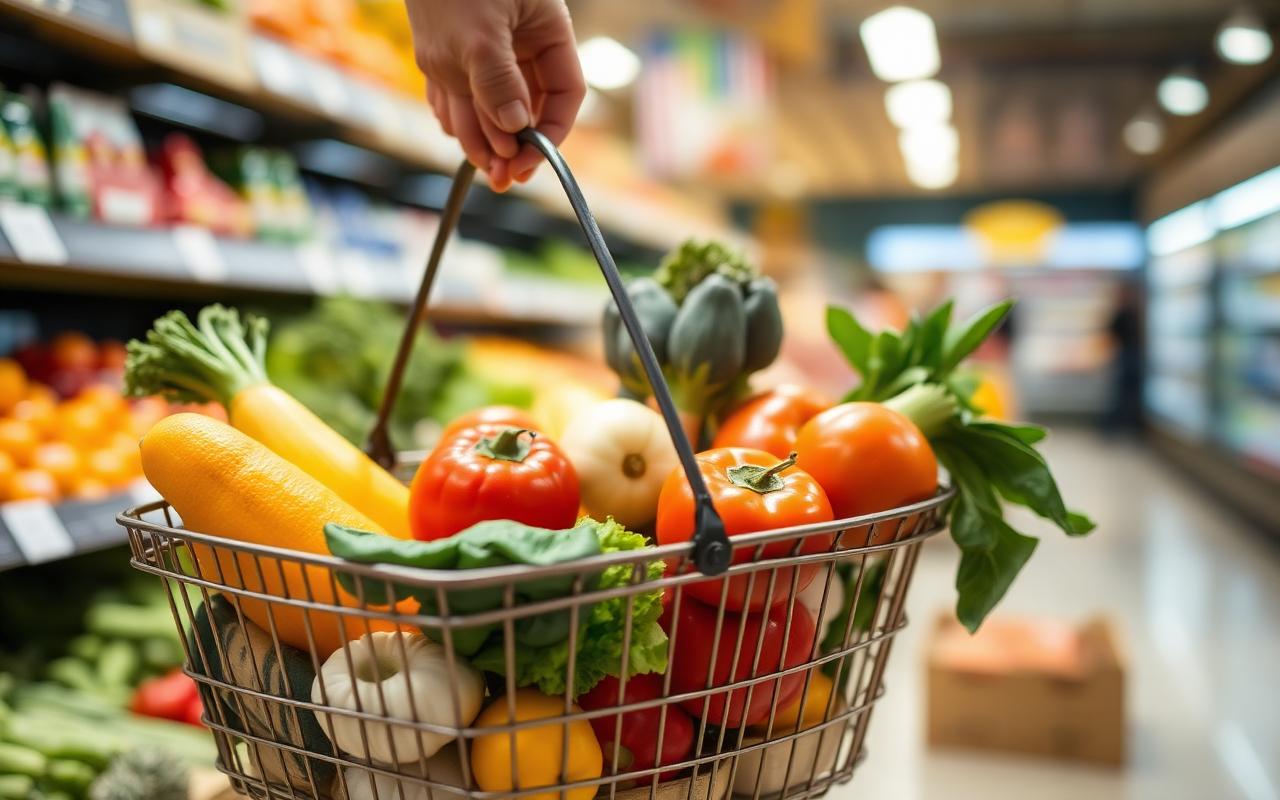
The easiest way to make these swaps permanent is to change what's in your cart before you're standing at the stove hungry and reaching for the familiar option. Keep a running list, tackle one or two categories per shopping trip, and lean on best salt-free seasonings to make sure the swapped-in versions still taste like something you want to eat.
Related Reading
- 30 Naturally Low-Sodium Foods for Your Grocery List — foods that start out low in sodium before you even swap anything.
- The Ultimate Low-Sodium Grocery Shopping Guide — an aisle-by-aisle plan for putting these swaps into practice.
- Hidden Sources of Sodium — surprising places sodium hides beyond the obvious foods.
- Add Flavor Without Salt — techniques to make every swap taste as good as the original.