If you asked most people to name high-sodium foods, they would say chips, pretzels, and pickles. Those are obvious. The bigger issue is the sodium that shows up in foods that do not taste salty at all — bread, cereal, cottage cheese, even some medications. This is why simply "cooking without the shaker" barely dents most people's sodium intake: the shaker was never the main source.
Below is a rundown of the sneakiest sodium sources, along with a practical fix for each one so this list is useful at the grocery store, not just interesting to read.
If you are managing a medical condition that requires a specific sodium target, use this as background information and confirm specifics with your healthcare professional or pharmacist, since individual needs vary.
Bread and Rolls
A single slice of regular sandwich bread can carry 150-200 mg of sodium, and it is easy to eat four slices a day between breakfast toast and a lunch sandwich without noticing the total. Bread is not salty-tasting, so it rarely registers as a "salt food," but because people eat so much of it, it adds up.
Fix: Look for lower-sodium or no-salt-added bread at the store, check labels across brands (sodium varies more than you would expect between similar-looking loaves), or bake a simple no-salt loaf at home.
Cold Cuts and Deli Meat
Deli meat is cured and processed, which means salt and sodium-based preservatives like sodium nitrite are baked into how it is made. A few slices of deli turkey or ham can easily carry 400-600 mg of sodium.
Fix: Roast your own chicken or turkey breast at home and slice it thin for sandwiches — our lemon herb roast chicken works well for this and gives you several days of sandwich filling from one cook.
Pizza
Between the cheese, cured toppings like pepperoni, and the sauce, a couple of slices of restaurant or frozen pizza can carry over 1,000 mg of sodium.
Fix: Make pizza at home using no-salt-added marinara, a modest amount of cheese, and vegetable toppings instead of cured meats.
Poultry Injected With Saline Solution
Many "fresh" chicken breasts sold at the grocery store are injected with a saline (salt water) solution to improve moisture and shelf life, sometimes labeled as "enhanced" — check the small print near the weight. This can add well over 300 mg of sodium per serving before you have cooked or seasoned anything.
Fix: Look for poultry labeled "no salt added" or check the ingredient list for a percentage of "added solution." Plain, unenhanced chicken breast will list only "chicken" as the ingredient.
Soups
Canned and boxed soups are notorious, often carrying 700-900 mg of sodium per serving, and many cans hold more than one serving.
Fix: Make soup at home with no-salt vegetable stock as your base, or try our flavorful low-sodium soup recipe for an approach that leans on herbs and aromatics instead of salt.
Sandwiches
Bread, deli meat, cheese, and condiments stack sodium from four directions at once, which is why a single deli or fast-food sandwich can reach 1,000-1,500 mg on its own.
Fix: Build sandwiches at home, choosing a lower-sodium bread, homemade roasted meat, and a light hand with condiments — or swap in herby yogurt sauce for mayonnaise-based spreads.
Cheese
Cheese is dairy that has been salted and often cured, so nearly all cheese carries meaningful sodium — some far more than others. Processed cheese slices and many pre-shredded cheeses tend to run higher than block cheeses you shred yourself.
Fix: Use cheese as an accent rather than a base ingredient, choose lower-sodium options like fresh mozzarella or Swiss where available, and shred your own from a block instead of buying pre-shredded (which often has anti-caking additives that add sodium).
Condiments and Sauces
Ketchup, soy sauce, barbecue sauce, and salad dressing are used in small amounts but are so concentrated in sodium that they add up fast. A tablespoon of soy sauce alone can carry close to 900 mg.
Fix: Build flavor with fresh herbs, citrus, and salt-free spice blends instead — see fresh herbs in low-sodium cooking and best salt-free seasonings for practical combinations.
Salad Dressings
A seemingly healthy salad can pick up 300-400 mg of sodium from two tablespoons of bottled dressing, more than once you add croutons or cheese on top.
Fix: Make your own dressing with olive oil, vinegar or citrus, and herbs, or try herby yogurt sauce thinned with a little water or lemon juice.
Canned Vegetables and Beans
Canned vegetables and beans are often packed in a salted liquid, which can push a half-cup serving to 300-400 mg of sodium.
Fix: Choose "no salt added" versions, or rinse and drain regular canned beans and vegetables thoroughly under running water, which studies referenced by nutrition organizations suggest can meaningfully reduce sodium content, though the exact amount varies by product.
Frozen Meals
Convenience is the whole point of a frozen meal, but that convenience is often built on a heavy dose of sodium for flavor and preservation — many entrees exceed 700 mg per meal.
Fix: Batch-cook your own freezer meals on a weekend using techniques from our low-sodium meal prep guide, so you get the same grab-and-go convenience without the sodium load.
Seasoning Mixes and Bouillon
Taco seasoning packets, dry gravy mixes, and bouillon cubes are essentially concentrated salt with a bit of flavoring. A single bouillon cube can carry over 800 mg of sodium.
Fix: Build your own seasoning blends at home — our all-purpose salt-free seasoning recipe is a good pantry staple to replace packet mixes entirely.
Breakfast Cereals
Cereal tastes sweet, not salty, which is exactly why its sodium content surprises people. Many cereals, especially ones marketed toward kids or with a savory-adjacent flavor like corn or bran, carry 150-300 mg of sodium per serving.
Fix: Check labels and compare brands side by side; plain oats, shredded wheat, and many puffed grain cereals tend to run lower than flaked or clustered varieties.
Sweet Baked Goods
Cookies, muffins, and cakes use baking soda and baking powder, both of which are sodium compounds, as leavening agents. A single large muffin can carry 300-400 mg of sodium even though it tastes sweet, not salty.
Fix: This one is harder to avoid entirely since leavening is functional, but portion size matters here more than trying to eliminate it — a smaller muffin or homemade version where you control ingredients helps.
Effervescent Medications and Antacids
Some effervescent tablets (the kind that dissolve in water) and certain antacids use sodium bicarbonate or other sodium compounds as part of their formulation, and the sodium content is not always obvious from the front of the package. If you take medications or supplements regularly and are watching your sodium intake, it is worth asking your pharmacist to check the sodium content of anything you take often, since they can review your specific products.
Restaurant Meals
Restaurant cooking generally uses more salt than home cooking because salt is a fast, reliable way to make food taste good, and it is added at multiple stages — in marinades, sauces, and finishing touches — that are invisible to the diner. A single restaurant entree can easily exceed a full day's sodium target.
Fix: Ask for sauces and dressings on the side, request no added salt where possible, and lean toward simpler preparations like grilled proteins and steamed or roasted vegetables. Our low-sodium restaurant ordering guide has specific scripts for asking kitchen staff for adjustments.
Sports Drinks
Sports drinks are formulated with sodium on purpose, to help replace electrolytes lost through heavy sweating. That is a reasonable design for endurance athletes, but for casual exercise or everyday hydration, a sports drink can add a few hundred milligrams of sodium you did not need.
Fix: For everyday hydration, plain water is usually sufficient; save sports drinks for genuinely long or intense exercise sessions where electrolyte replacement is actually useful.
The Common Thread
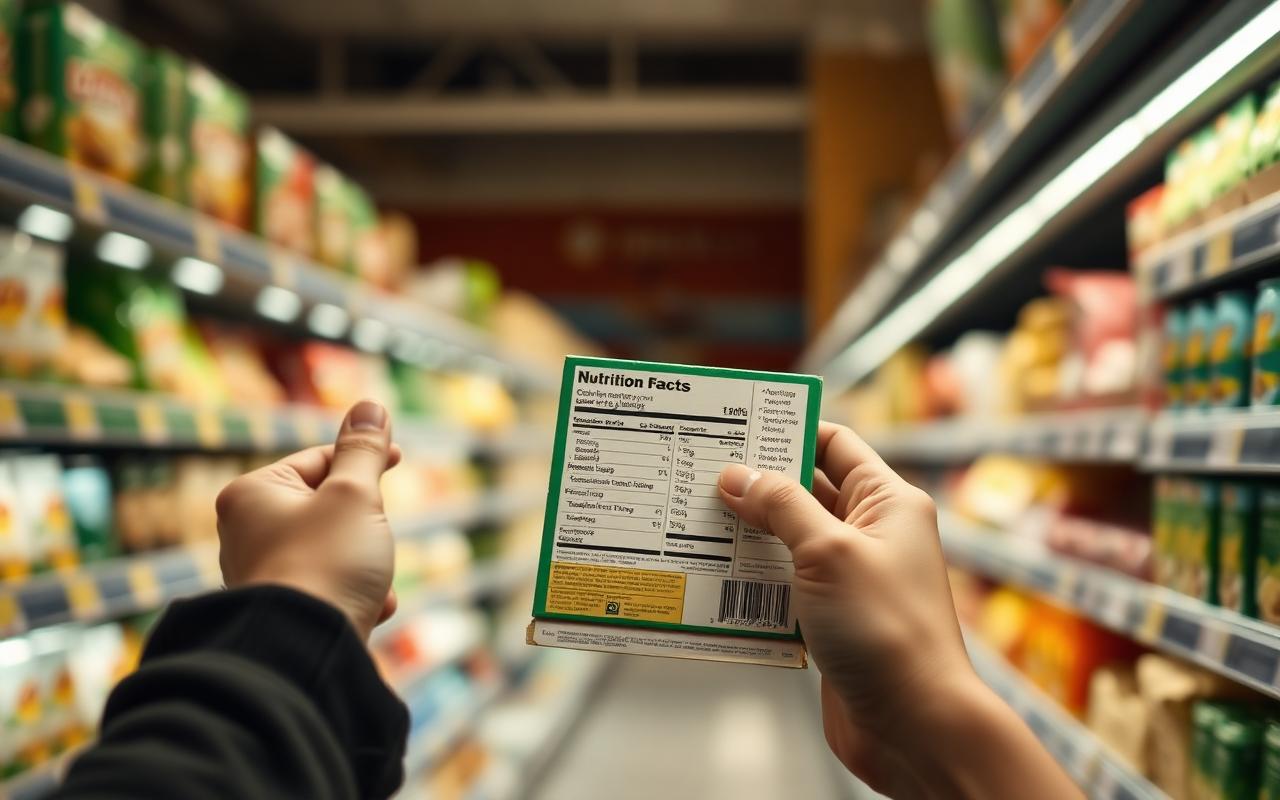
Nearly every item on this list shares one trait: sodium is used for function — preservation, texture, leavening, shelf stability — not just taste. That is exactly why checking labels matters more than trusting your tongue. Our how to read sodium nutrition labels guide walks through exactly what to look for, and pairing that skill with a stocked pantry from our low-sodium grocery shopping guide covers most of the list above in one pass.
Related Reading
- How to Read Sodium Nutrition Labels — decode %DV, serving sizes, and front-of-pack claims.
- Low-Sodium Grocery Shopping Guide — an aisle-by-aisle plan for a lower-sodium pantry.
- Easy Low-Sodium Food Swaps — direct substitutions for the foods listed above.
- Low-Sodium Restaurant Ordering — how to manage sodium when someone else is cooking.